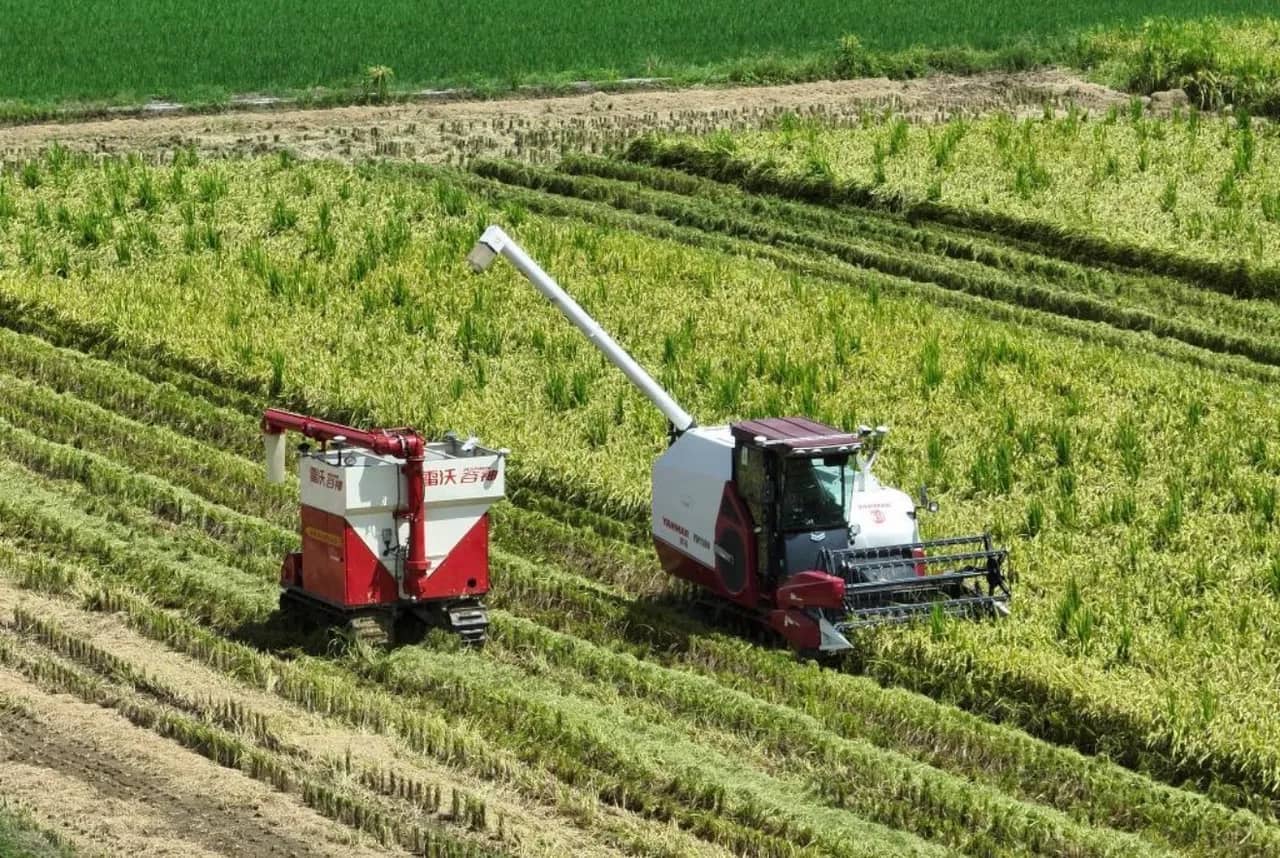
Located in northwestern China, the Ningxia Hui Autonomous Region has become famous in recent years not only for its wine, but also for its red fruit with unique medicinal properties – Wolfberry, also known as Goji. Local people consider it not just a food, but a symbol of longevity, health, and Chinese medicine, reports Todayinfo.kz news portal.
The gift that every tourist visiting Ningxia is sure to receive is dried goji berries, or tea and juice made from them.
A fruit with a history of over two thousand years
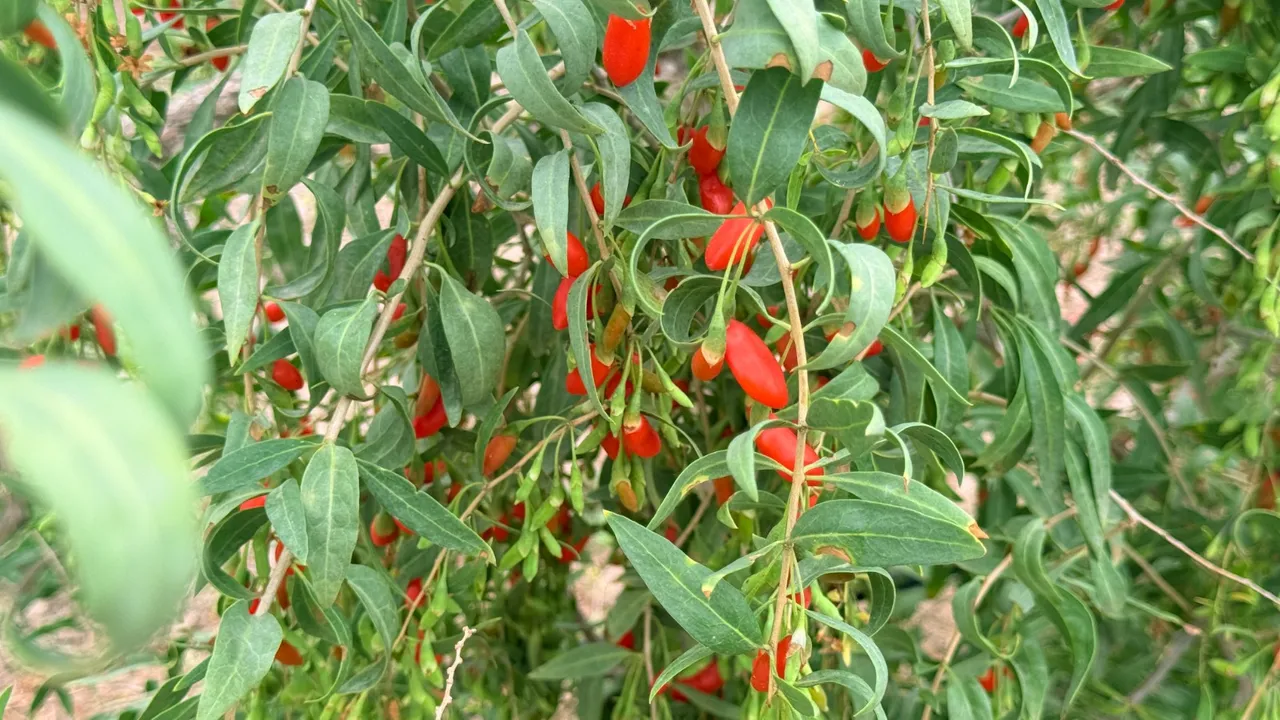
The first written records of goji (Latin: Lycium barbarum) appear in ancient Chinese medical texts over two thousand years ago. In traditional Chinese medicine, this fruit is described as a plant that strengthens the body, supports liver and kidney function, improves eyesight, and promotes longevity.
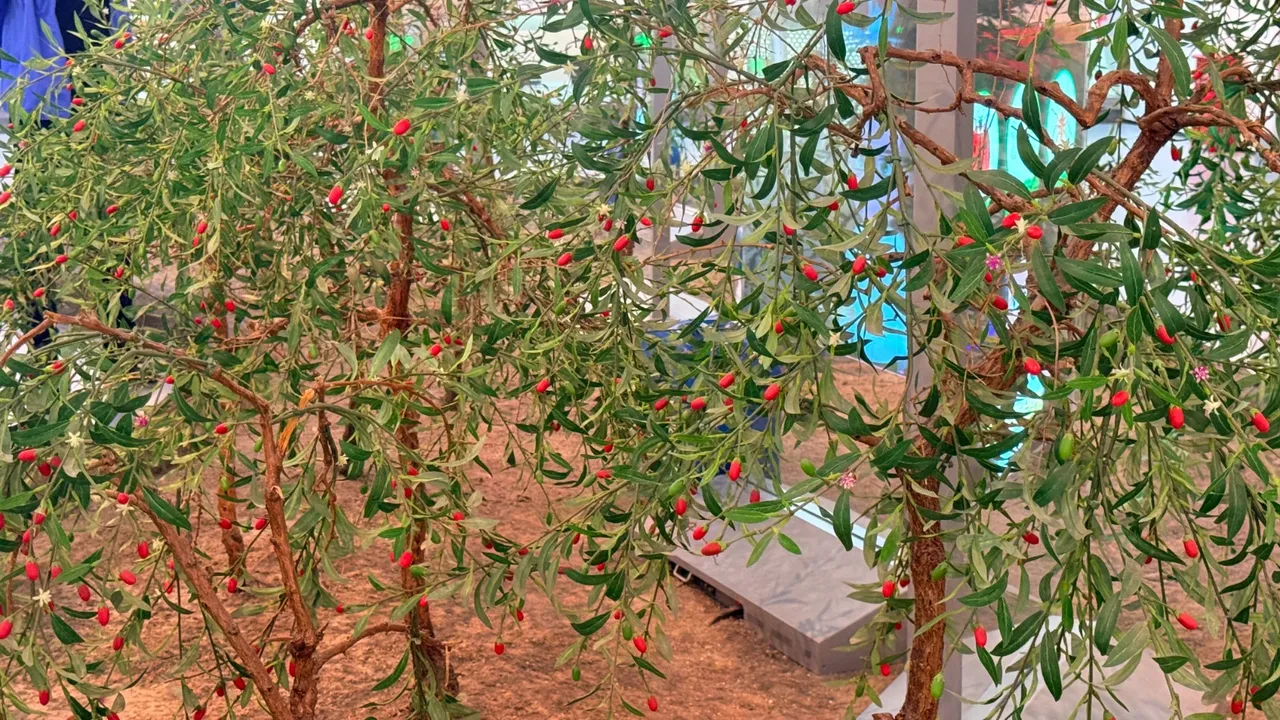
There is even a legend in China: residents of one village drank spring water infused with goji every day, leading to a very large number of centenarians among them. This is how the fruit earned the name "fruit of longevity."
Why Ningxia specifically?

Although goji is grown in many regions of China, the highest quality harvest comes precisely from Ningxia. Several factors contribute to this: the mineral-rich waters of the Yellow River; abundant sunlight; a dry climate; and a large temperature difference between day and night. These natural conditions enhance the fruit's sugar content, color, and antioxidant composition. Therefore, "Ningxia goji" is today considered one of the highest quality products in China.
What's inside the red berry?
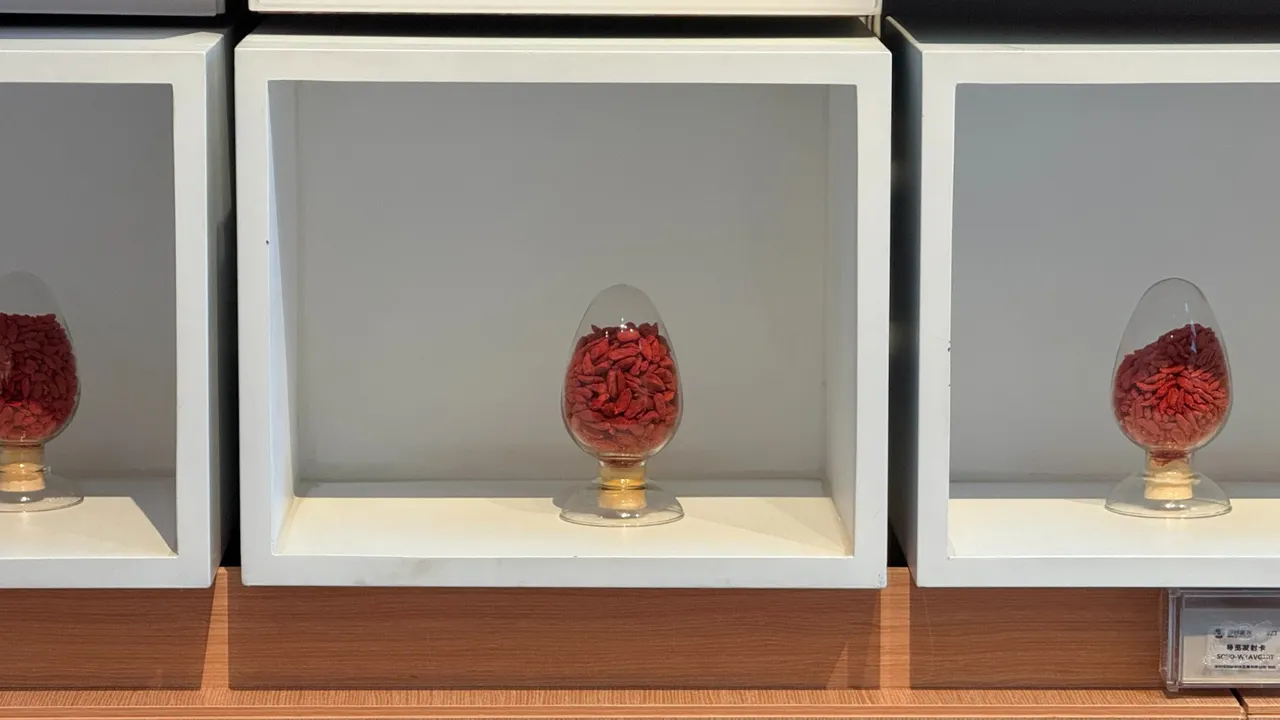
This seemingly simple fruit contains many beneficial substances. These include Vitamin C; Vitamin A; iron; zinc; dietary fiber; amino acids; polysaccharides; zeaxanthin and carotenoids. According to scientists, these polysaccharides are considered the main biologically active components of goji.
What are the health benefits?

Scientific studies conducted in recent years have shown a number of beneficial properties of the goji berry.
Supports immunity
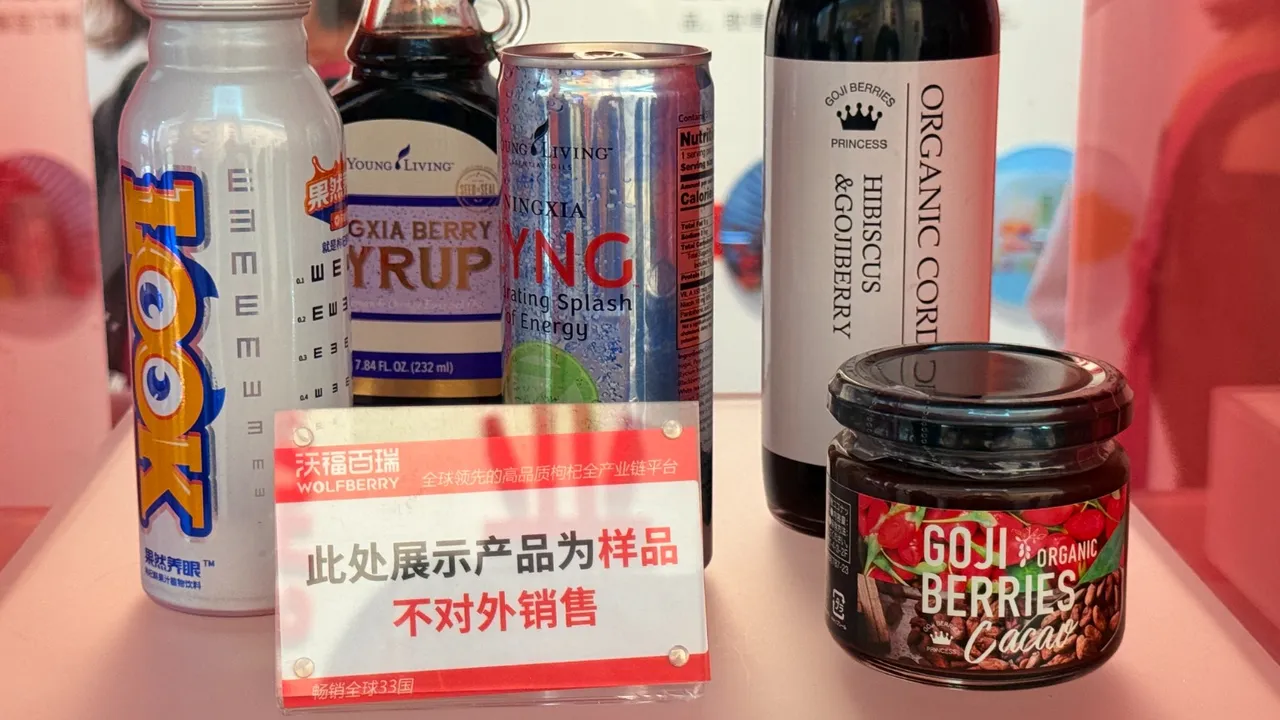
The antioxidants in the fruit may help strengthen the body's defense system. They also reduce the effects of free radicals and protect cells.
Effect on eye health
Zeaxanthin found in goji helps protect the retina of the eye. Some studies indicate that this substance may help reduce the risk of age-related vision decline.
Natural source of antioxidants

Antioxidants slow down the oxidation process in the body and help reduce cell damage. Therefore, goji has now entered the global list of "superfood" products.
Energy and general well-being
In traditional Chinese medicine, this fruit is used as a product that provides strength during weakness. However, modern medicine states that additional clinical studies are needed to fully confirm this effect.
How do Chinese people use it?
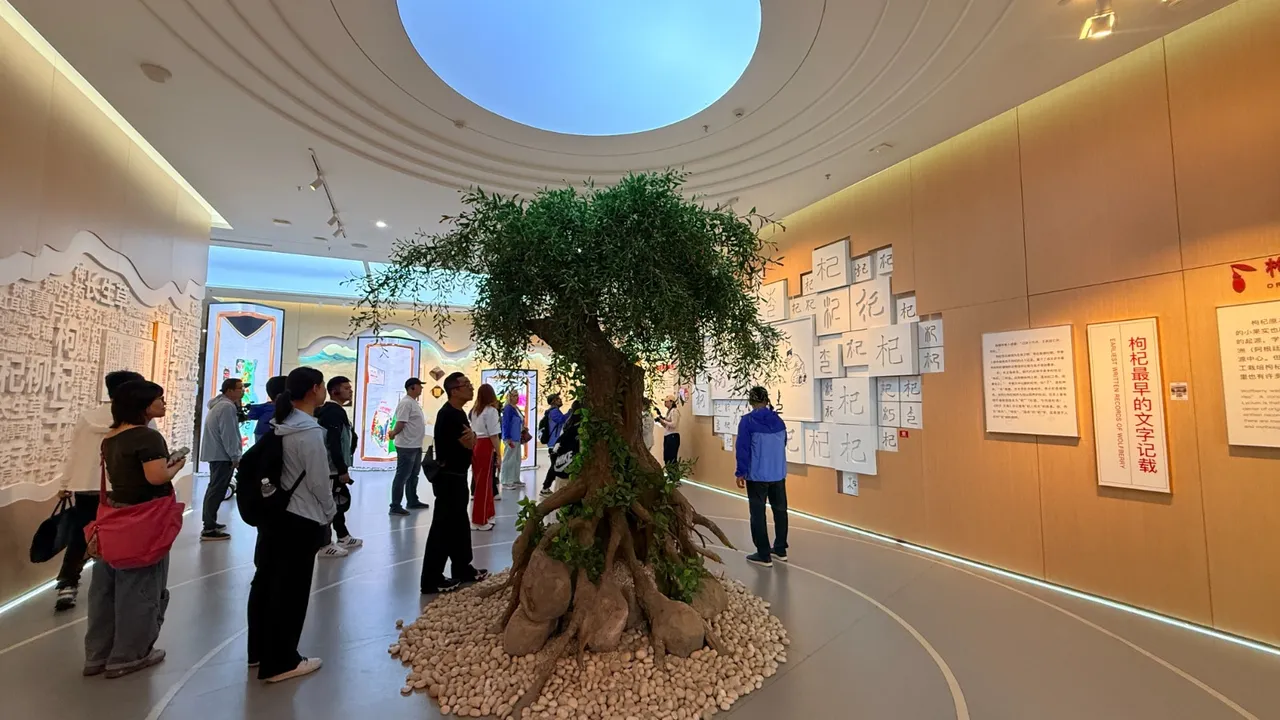
In Ningxia, goji is part of the daily diet. Local people add it to hot tea; mix it into porridge; put it in soup; add it to chicken dishes; prepare it with rice; and make juice and various beverages. Goji can even be found in desserts at restaurants.
A brand for Ningxia's economy
Goji has become an important export product for Ningxia's economy today. Grown on hundreds of thousands of hectares, this fruit is exported to dozens of countries worldwide. The region holds festivals annually dedicated to the harvest season, where tourists can visit special plantations and pick the fruit themselves.
What's interesting for Kazakhstan?
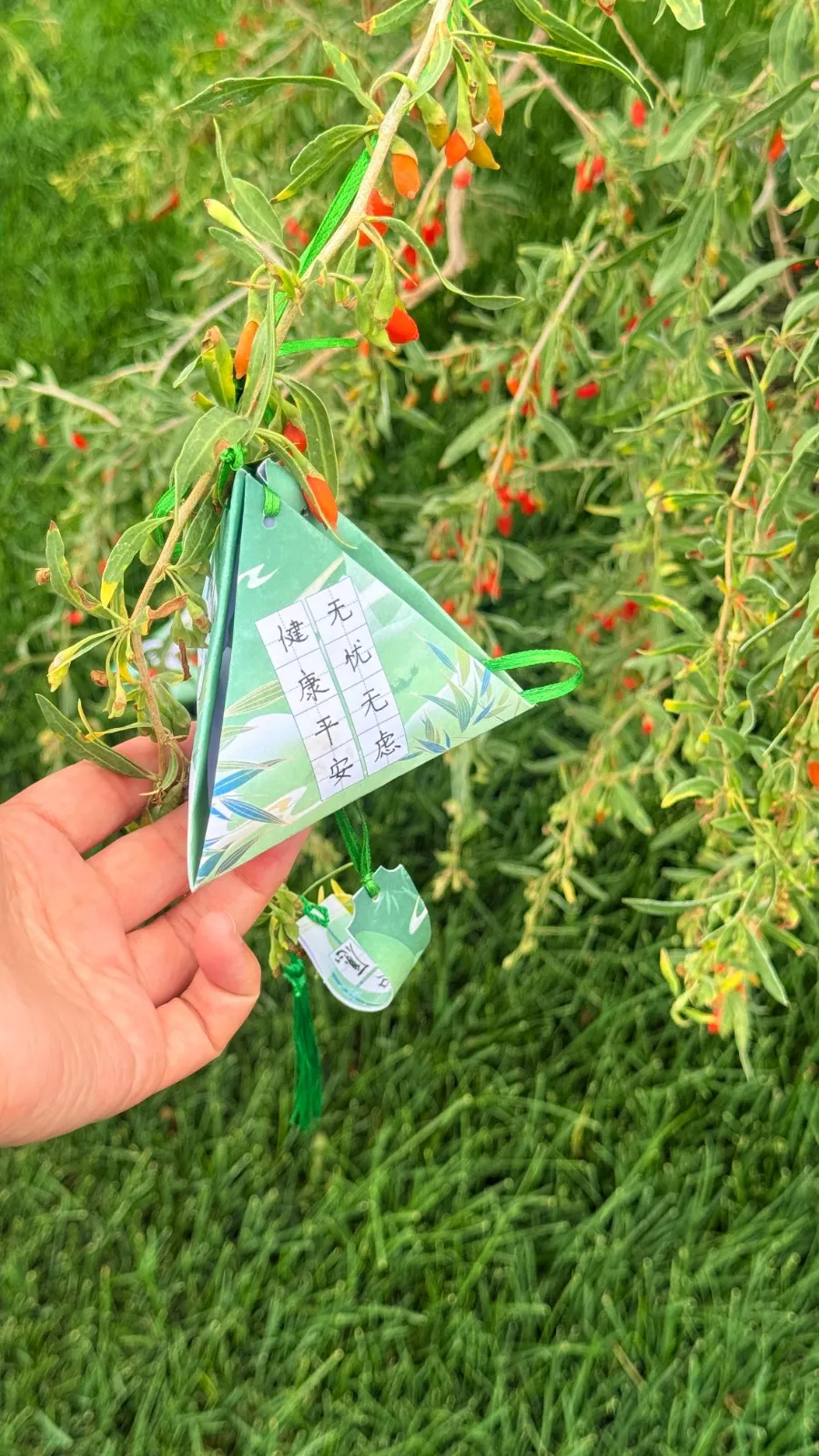
Goji is not a new product for Kazakhstani people. However, seeing exactly how it is grown in the Ningxia region is a unique experience. Local farmers hand-pick each berry and dry them using special technology. This way, the product retains its natural color, sweet-sour taste, and beneficial composition. In Ningxia, goji is not just an agricultural product. It is a unique brand that combines culture, tradition, medicine, and the region's economy.

At first glance, goji appears to be just a small red berry, but it is a natural product with a thousand-year history. While the Chinese people value it as a symbol of longevity, modern science continues to study the many biologically active substances it contains.
However, experts warn that goji should not be seen as a cure for all diseases. It is a beneficial food product, but not a substitute for medication. People taking blood thinners or those with chronic illnesses should consult a doctor.