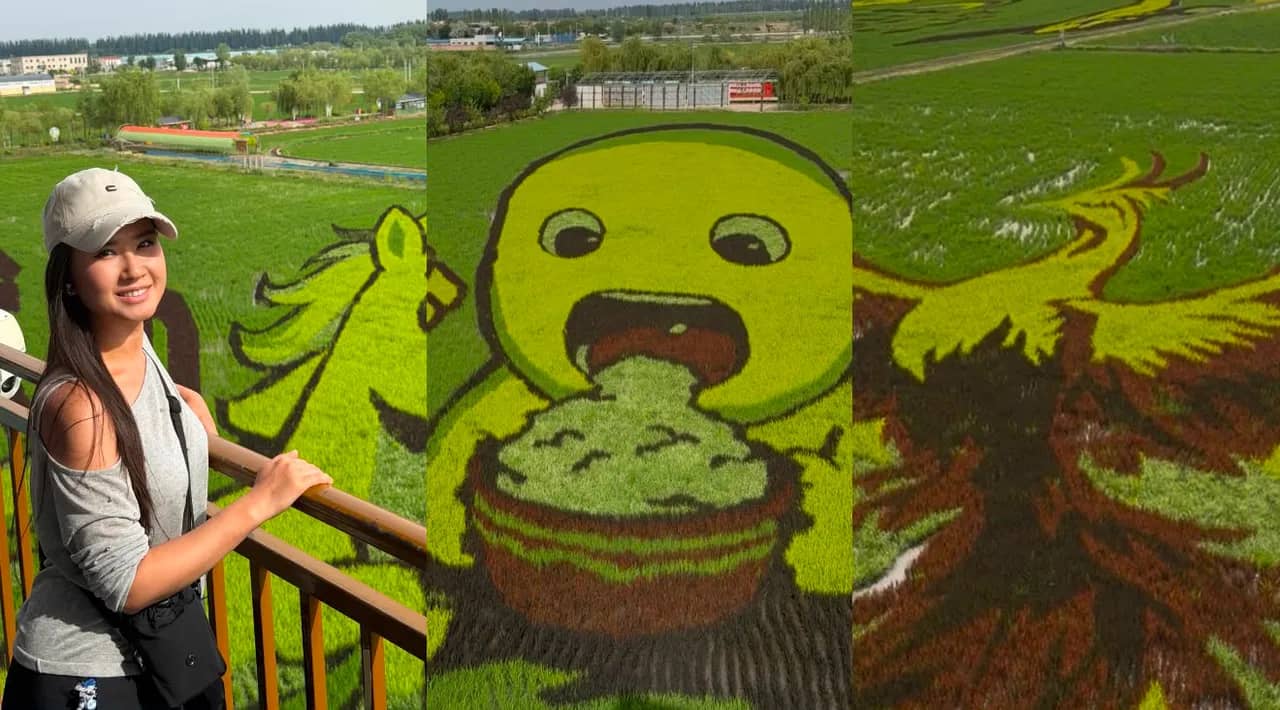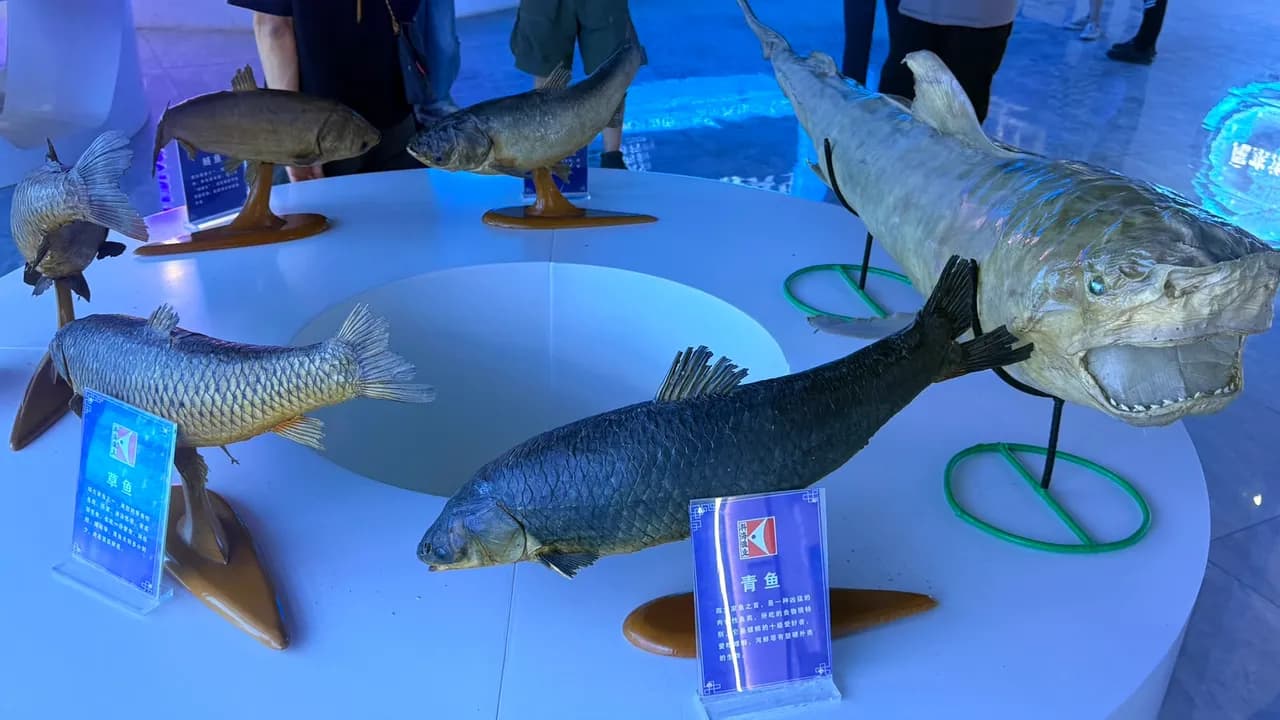
A unique experiment is being implemented in China's Ningxia Hui Autonomous Region, elevating agriculture to a new level. Here, farming and aquaculture are integrated into a single system, with fish, shrimp, river crabs, and turtles being raised in rice paddies. This model not only conserves natural resources but also allows farmers to multiply their income several times over, reports Todayinfo.kz.
Supported by research institutes and higher education institutions, the project has become one of the key innovations in Ningxia's agriculture today.
Rice paddies – no longer just for crops
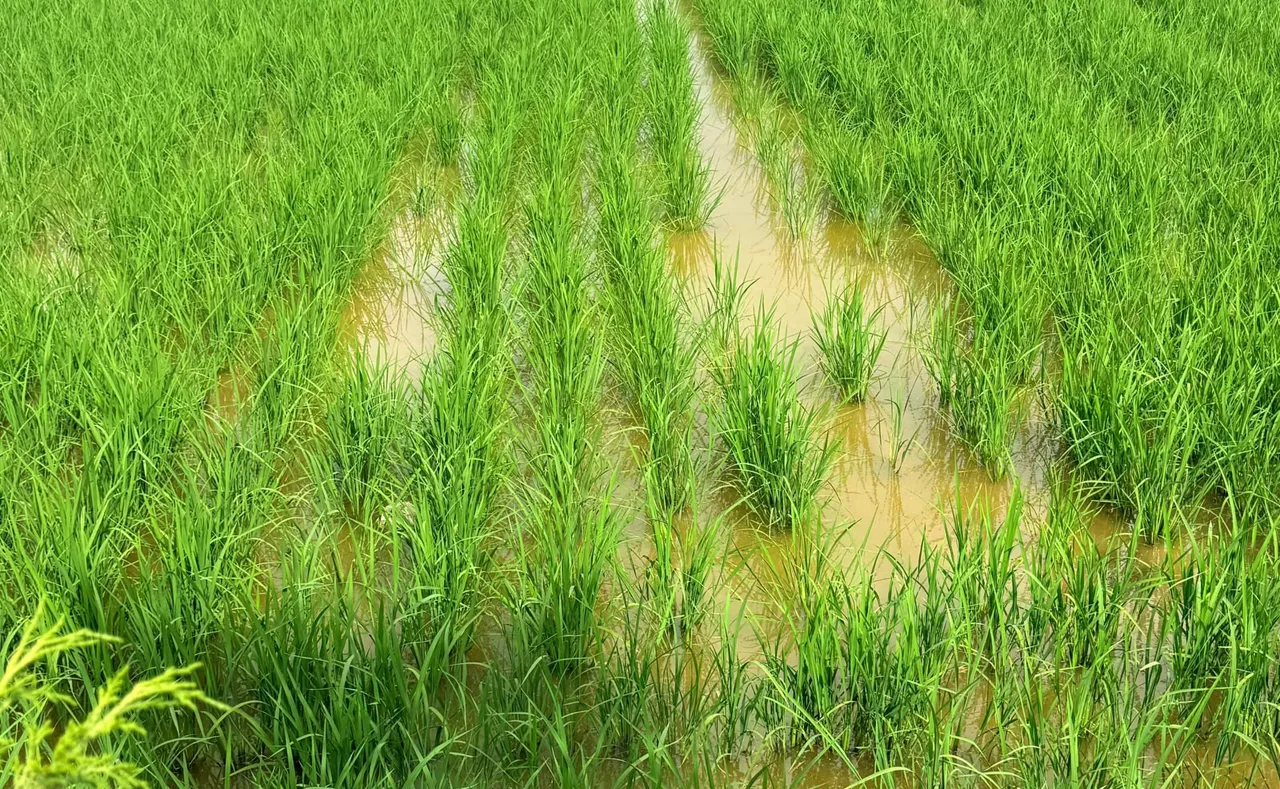
Previously, rice paddies were solely used for grain cultivation, but today they have transformed into a multi-functional ecosystem. Under the project, various freshwater animals are introduced into the flooded rice fields. They feed naturally, helping to maintain the ecological balance of the water. Meanwhile, the rice purifies the water and creates an additional nutrient-rich environment. This approach allows farmers to harvest two different products from the same land.
A collaborative project of science and production
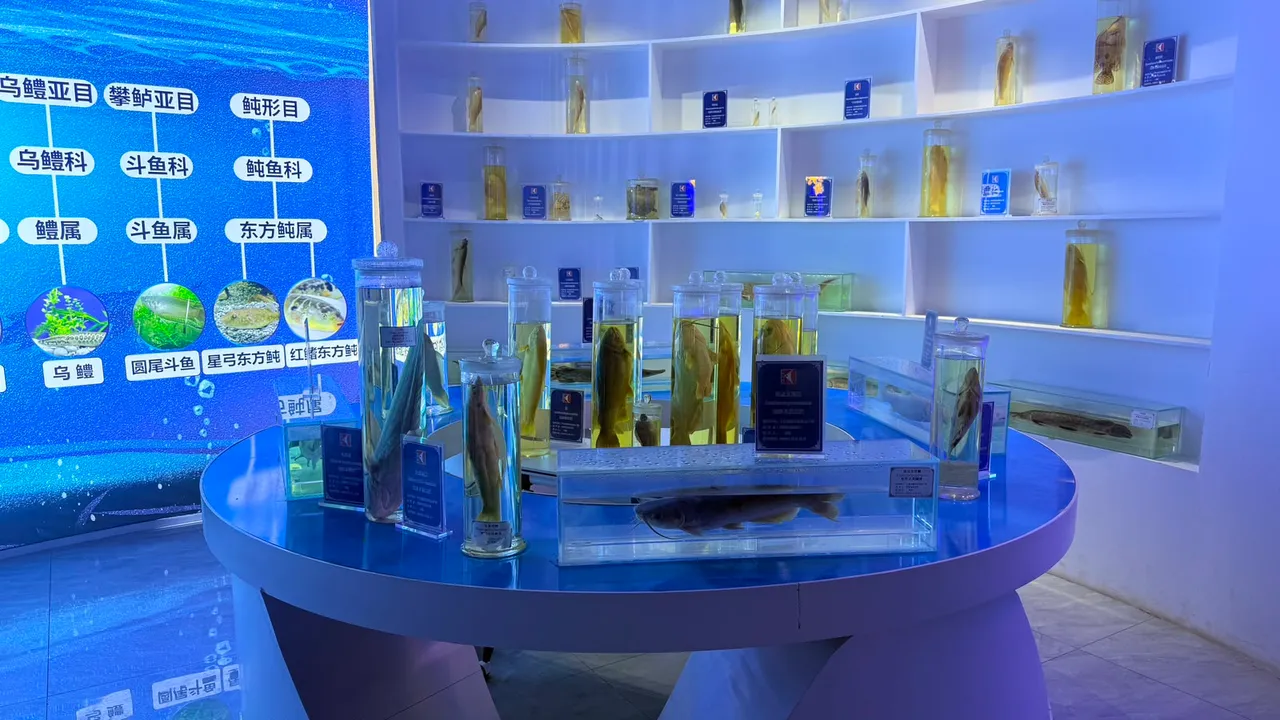
The project involves specialists from the Chinese Academy of Fishery Sciences, Shanghai Ocean University, Tsinghua University, and several other scientific organizations. Scientists are developing new aquaculture species adapted to Ningxia's saline-alkaline soil and conducting research to increase their productivity. According to data presented at the exhibition, several new breeds have been officially registered and have successfully passed production trials.
Expanding the potential of saline land
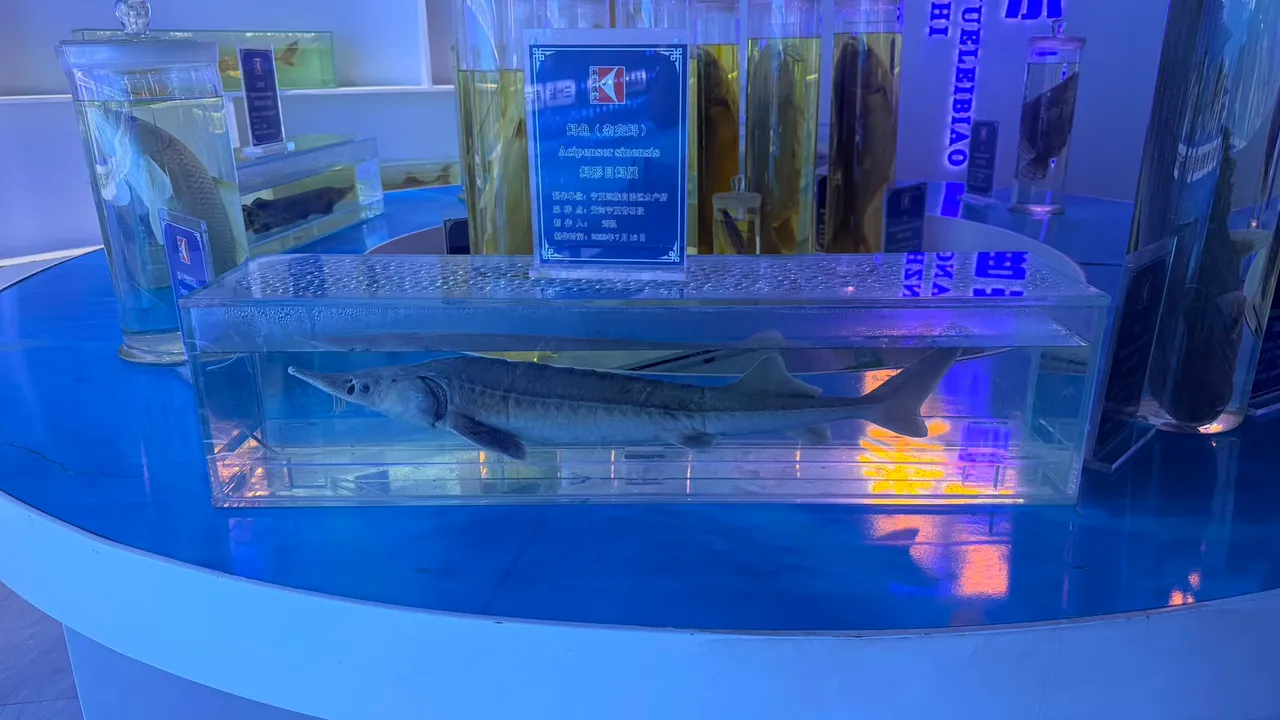
Part of Ningxia consists of saline land. Previously, such areas were not considered very suitable for agriculture. Chinese experts have effectively utilized this characteristic by introducing technology for raising shrimp and other aquatic animals adapted to saline water. Through specialized breeding work, new high-yield breeds have been developed and are now widely used in production.
How does the ecological system work?
A key feature of the project is the closed water circulation system. Water goes through several stages: it is naturally filtered through the rice paddies; it is purified in special biological ponds; then it is sent back to the fish-rearing pools. Such a system allows for water conservation and reduced use of fertilizers and chemicals. Additionally, water quality is constantly monitored.
Multiple products from a single field
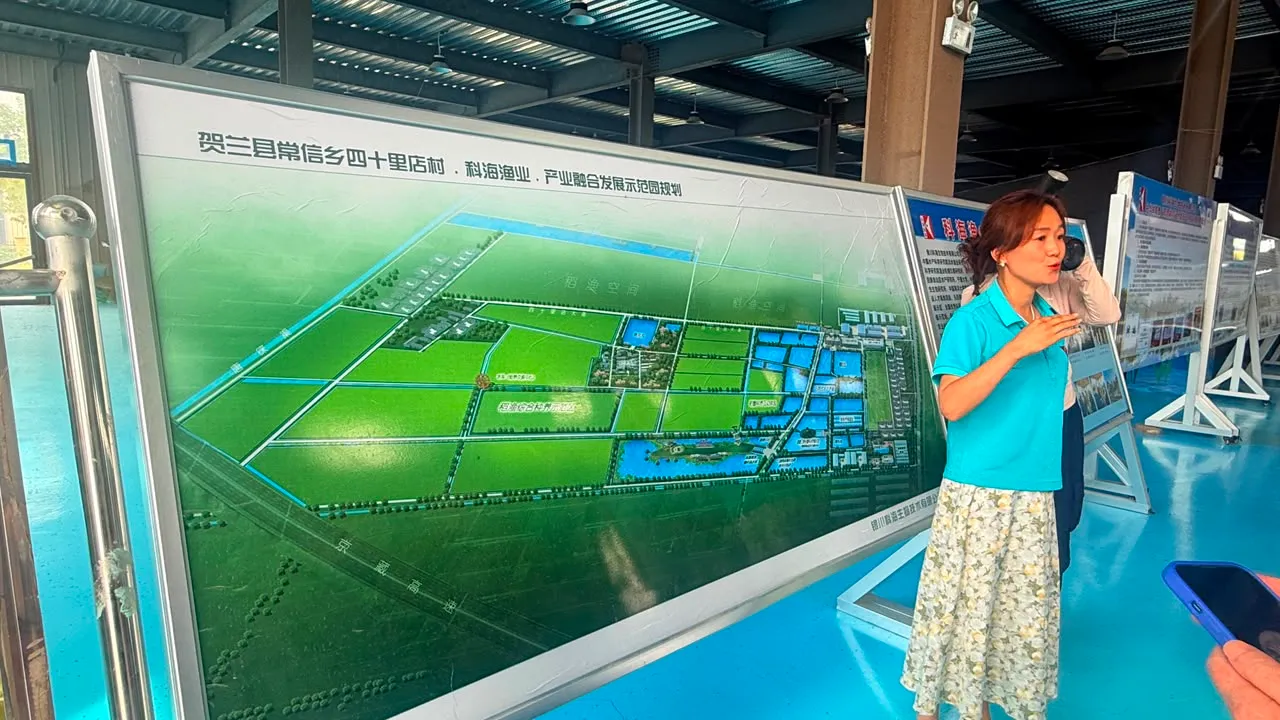
According to information presented at the exhibition, the project cultivates rice; river shrimp; Chinese river crab; several species of freshwater fish; and turtles. This diversification not only increases farmers' income but also strengthens food security.
Continuous scientific monitoring
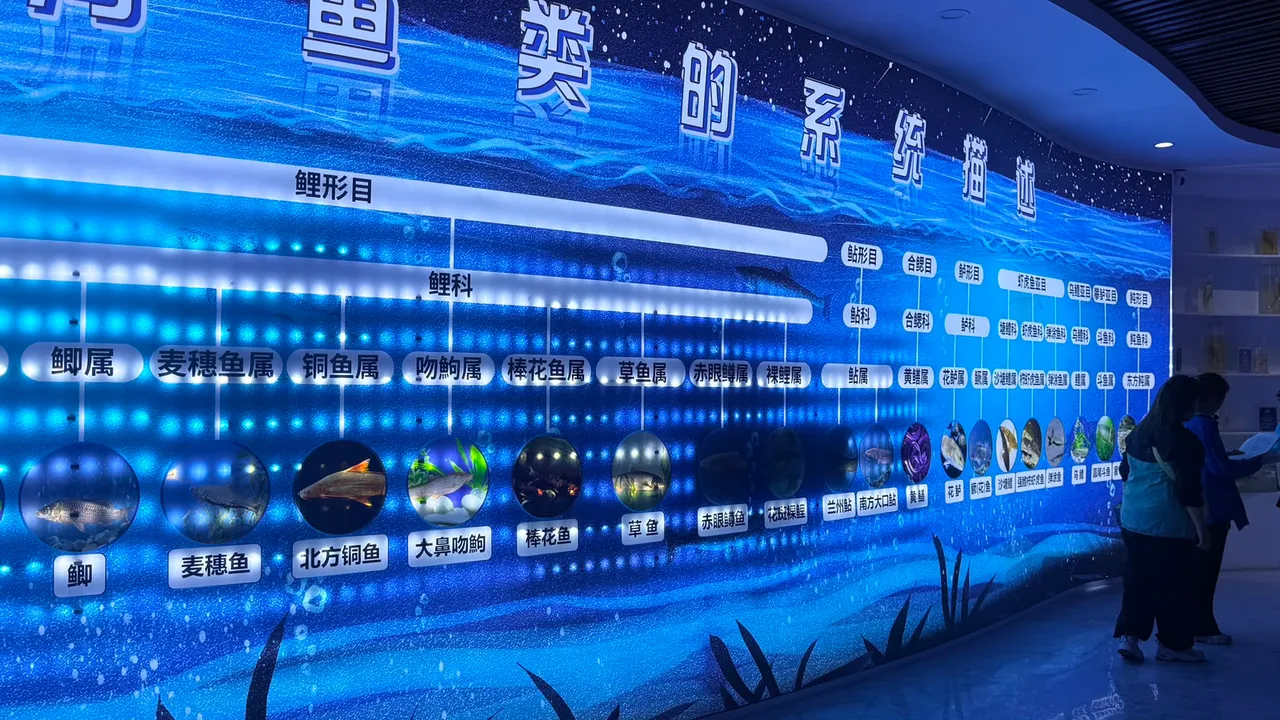
The project functions not only as a production site but also as a scientific platform. Specialists constantly monitor dozens of parameters, including water temperature, acidity, oxygen levels, and nutrient content. Based on the collected data, cultivation technologies are improved annually.
A new direction for agriculture
This experiment in Ningxia reflects China's new approach to agricultural development. The main goal is to simultaneously ensure environmental protection and economic efficiency. By integrating science, ecology, and production, the region is forming a sustainable model of agriculture. The project combining rice and aquaculture in Ningxia is a shining example of innovation in agriculture. Producing multiple products from a single plot of land, efficiently using water resources, scientific breeding, and maintaining ecological balance – all of this defines a new direction in China's food production. This experience shows that agriculture can be developed not just as a production sector, but as an efficient ecosystem based on science and technology.