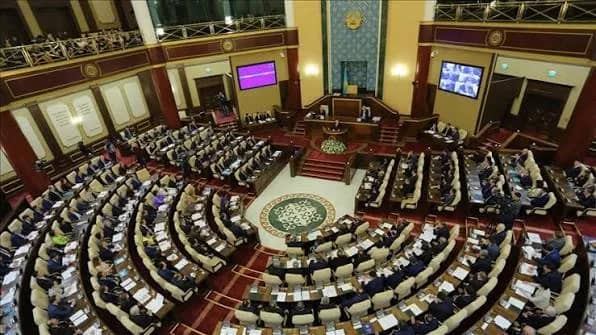
Significant problems have been identified in Kazakhstan's higher education system: universities exercise poor control, and student training does not meet market requirements. This was stated by member of the Supreme Audit Chamber Tlegen Kaskin during a government hour in the Mazhilis, reports Todayinfo news agency.
According to Kaskin, there is no full-fledged control in the education system. "During the audit period, planned control of universities was practically not carried out. In 2024, the knowledge assessment covered only three departmental academies and did not evaluate professional competencies. The main information systems are not integrated; data on student enrollment, grants, credits, and statuses are often entered manually. This led to cases of bypassing UNT requirements by transferring from foreign universities," he said.
The speaker noted that there are also problems in the education quality assessment system. National accreditation agencies allocate up to 80% of the assessment to internal processes of universities, while employer opinions and graduate employment account for only 5%. Kaskin stated that many educational programs are formal, lacking practical training and real cases.
According to him, the state order is not linked to the real needs of the economy. "In 2022, more than nine thousand grants remained unclaimed, including over nine thousand in engineering specialties and about three thousand in information and communication technologies," he reported. The audit chamber member added that universities annually graduate about 20 thousand IT specialists, but only 30% work in their field.