In the Ulytau region, a large-scale environmental event was held as part of the 'Taza Kazakhstan' ecological program initiated by the President, coinciding with a national teleconference with the participation of Head of State Kassym-Jomart Tokayev.
In the Ulytau region, a large-scale environmental event was organized within the framework of the ecological program 'Taza Kazakhstan', initiated by the President. The event was combined with a national teleconference with the participation of the Head of State Kassym-Jomart Tokayev.
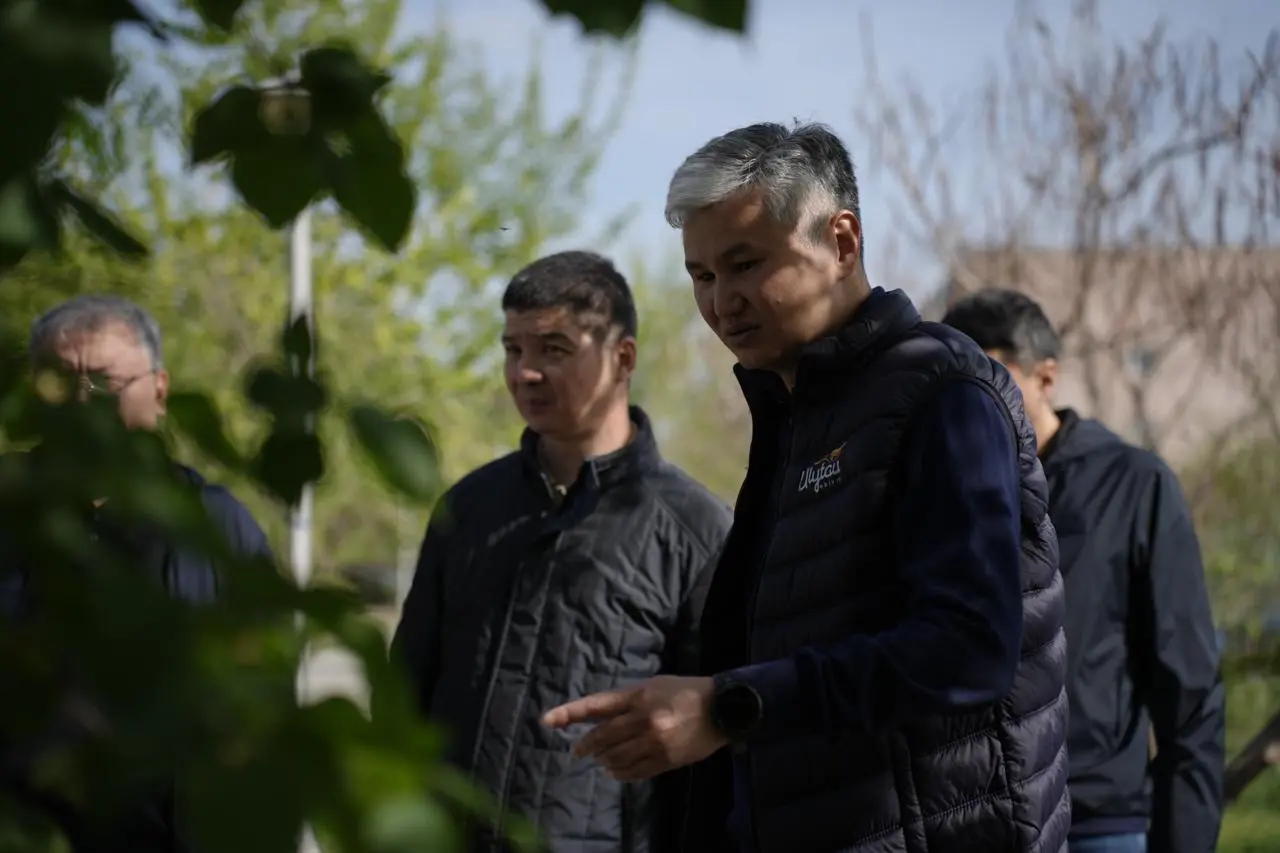
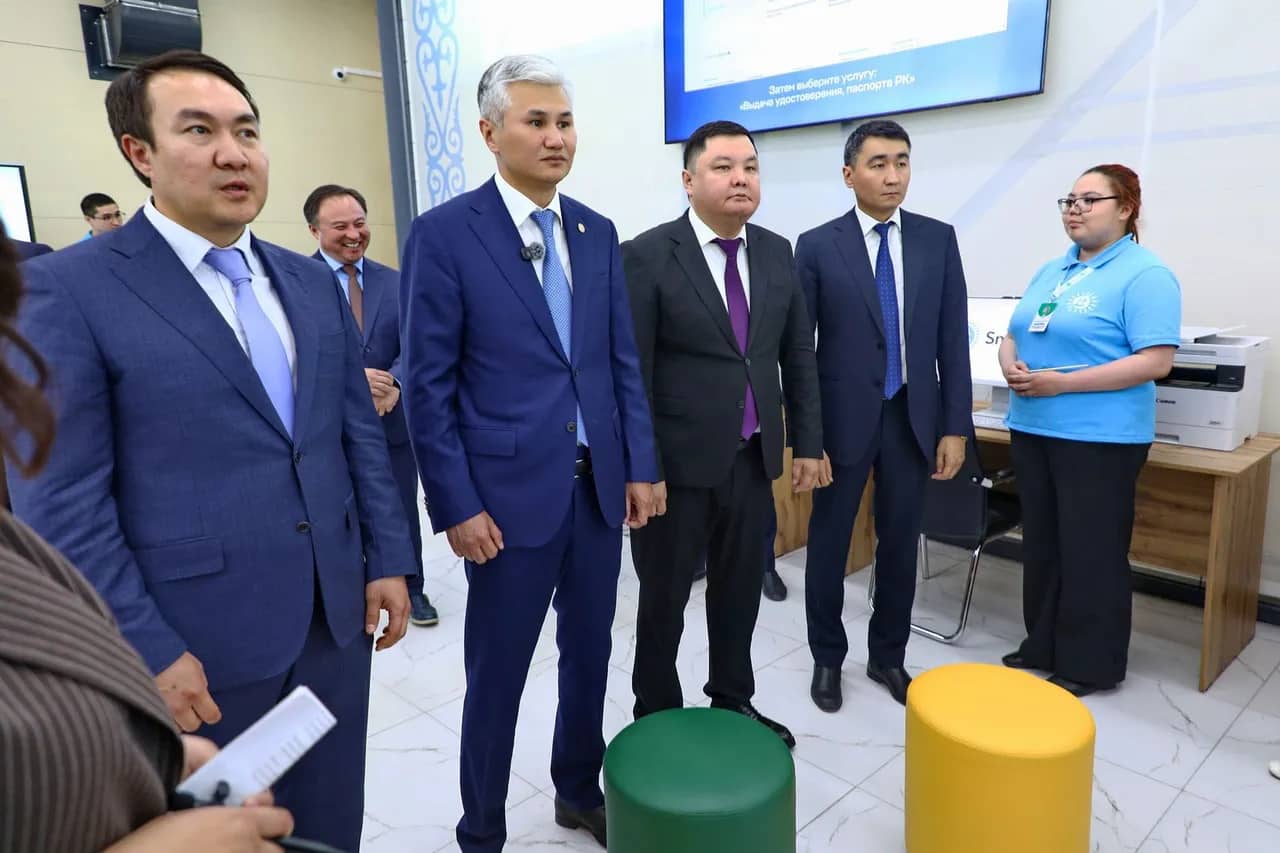
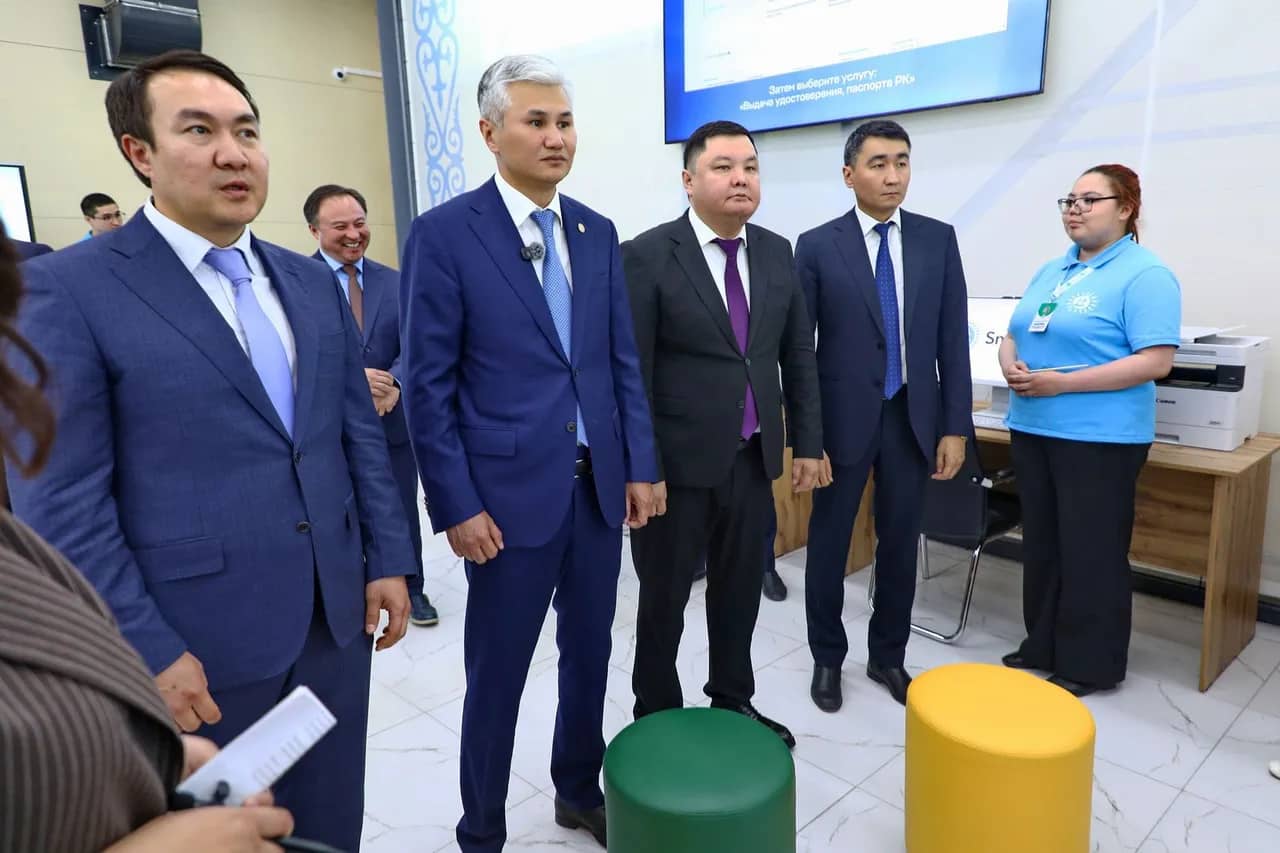
During the teleconference, the akim of the Ulytau region, Dastan Ryspekov, connected live from the center of Zhezkazgan city, together with representatives of the regional branch of the Assembly of the People of Kazakhstan, youth, civil servants, volunteers, enterprise employees, and public activists.
During the live broadcast, the Head of State noted the great importance of this initiative for future generations.
In his speech, the President emphasized:
'The principles of "Taza Kazakhstan", "Law and Order", and "Adal Azamat" form a unified system of values and should be firmly established in public life. It is necessary to actively involve well-known and authoritative citizens in the widespread promotion of these initiatives. And the main driving force of this idea is the youth. It is extremely important to form an ecological culture from an early age. "Taza Kazakhstan" should become a national idea aimed at improving the quality of life and well-being of the people.'
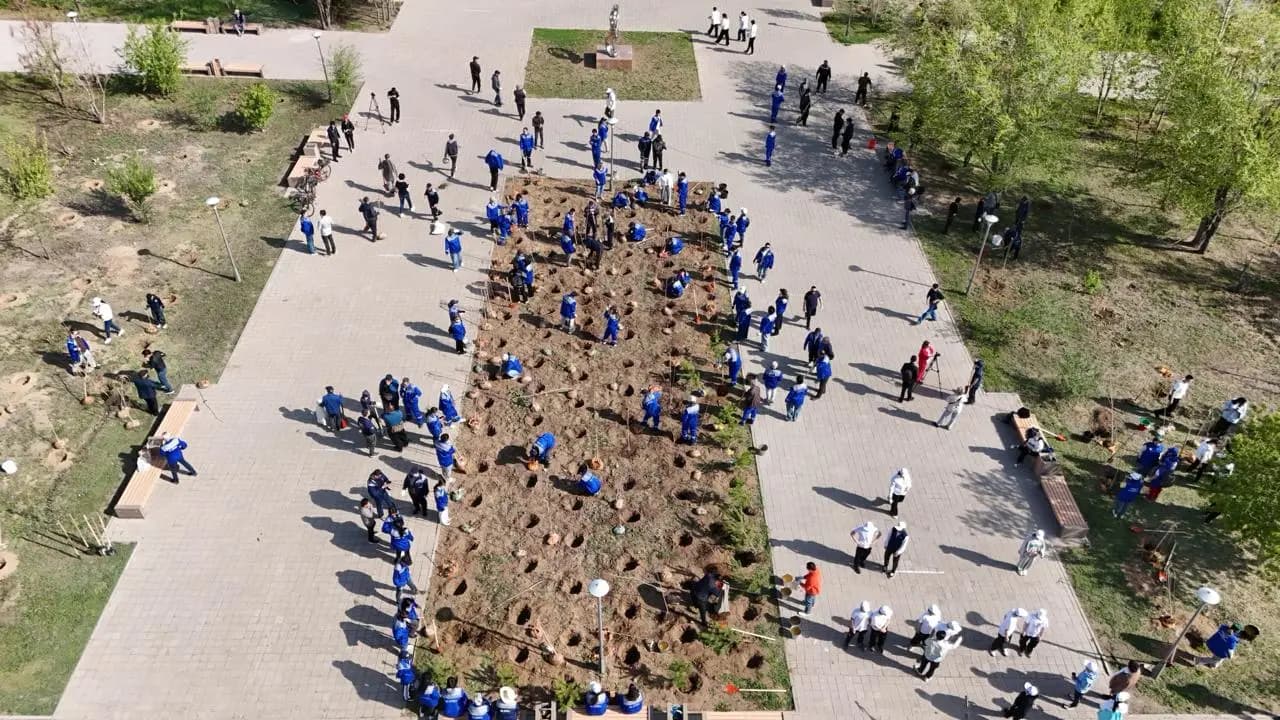
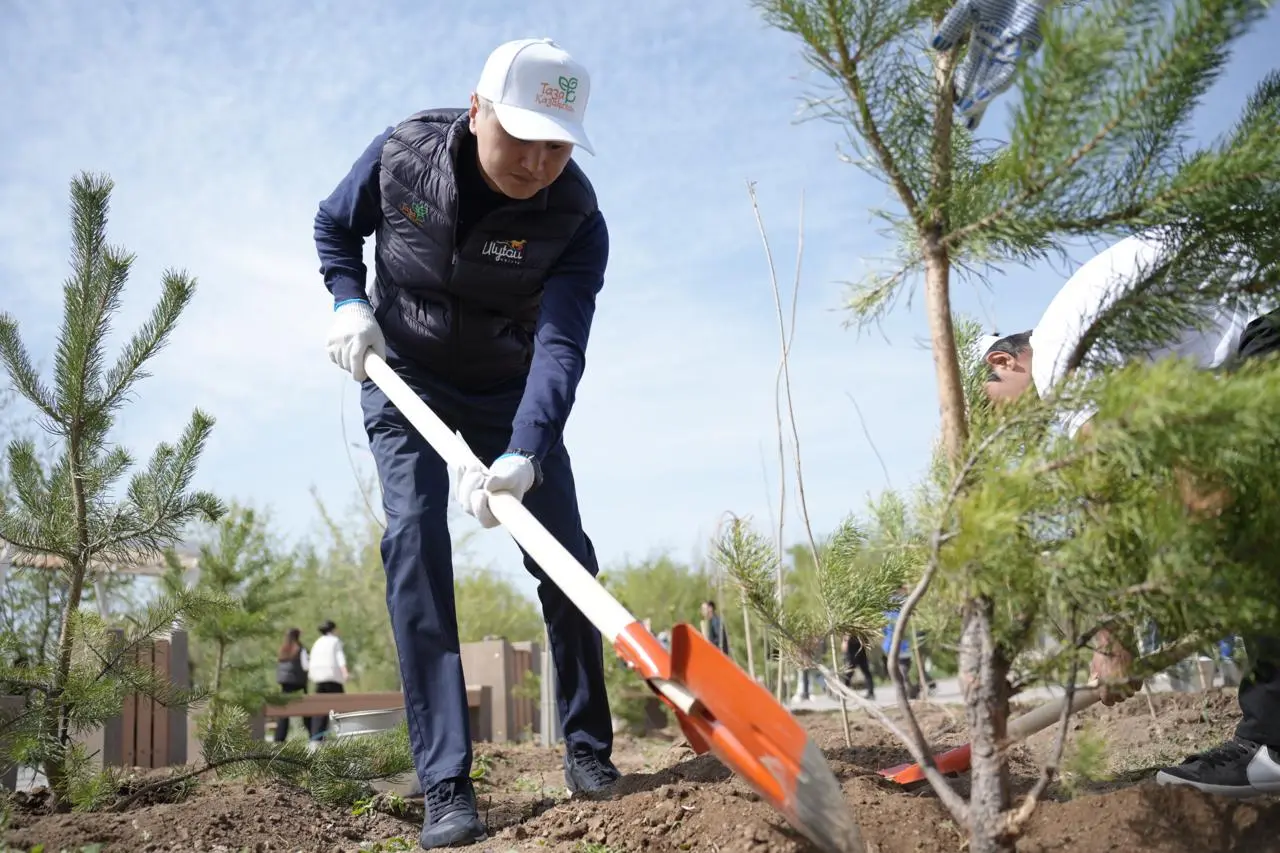
After the teleconference ended, the participants began planting trees. As part of the campaign, 275 saplings were planted in the park of Zhezkazgan city, and 510 saplings were planted on the territory of the Jochi Khan historical and cultural complex. In total, 1,550 saplings were planted in the region in one day.
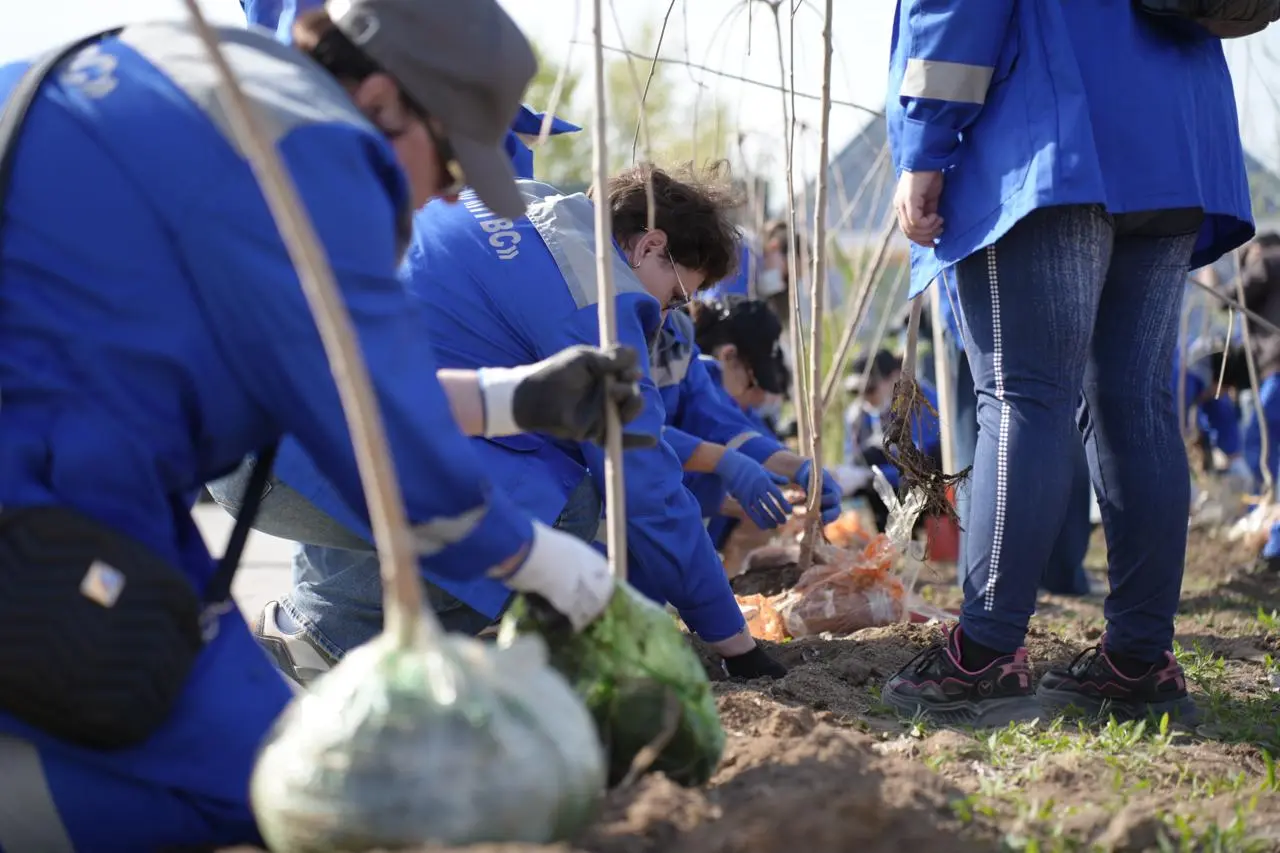
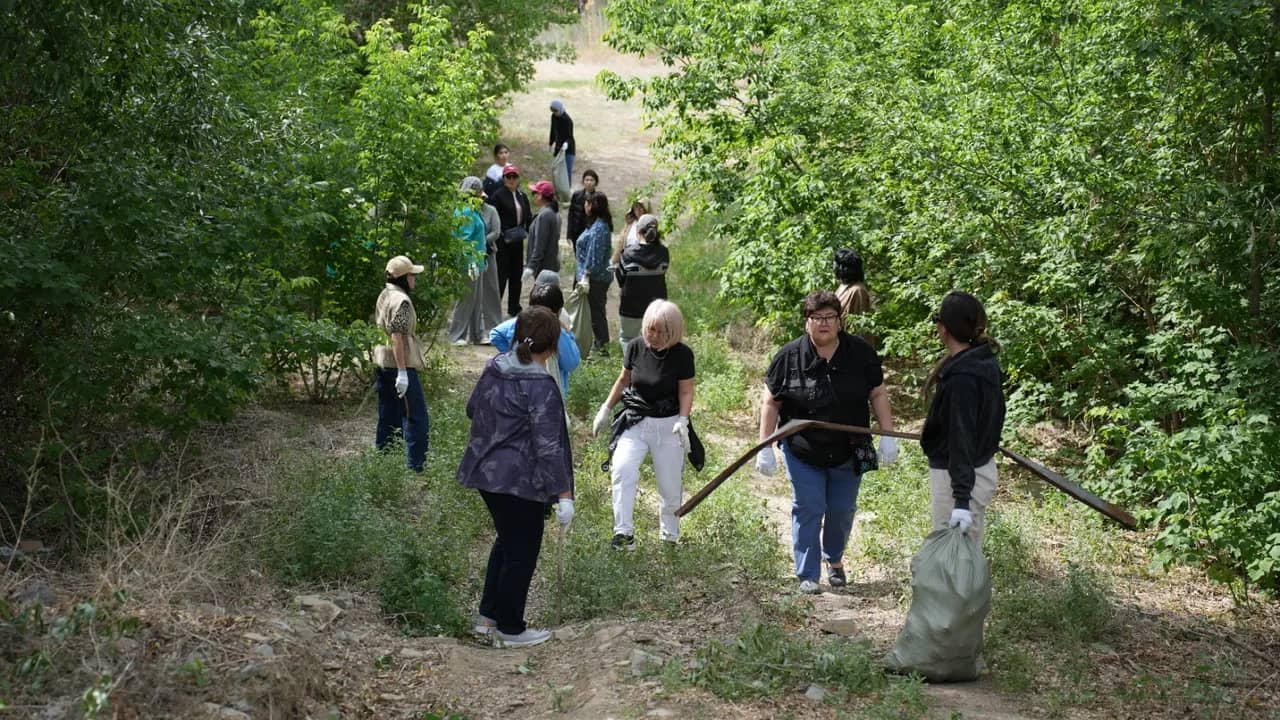
It should be noted that in the Ulytau region, work on greening settlements, landscaping territories, and forming ecological culture is systematically ongoing. Since the beginning of the year, 7 clean-up days have been held, involving more than 20,000 people, 1,551 teams, and 416 pieces of equipment, with 2,749.9 tons of waste removed. Additionally, 700.7 hectares of territory have been cleaned, and 10,894 saplings have been planted.