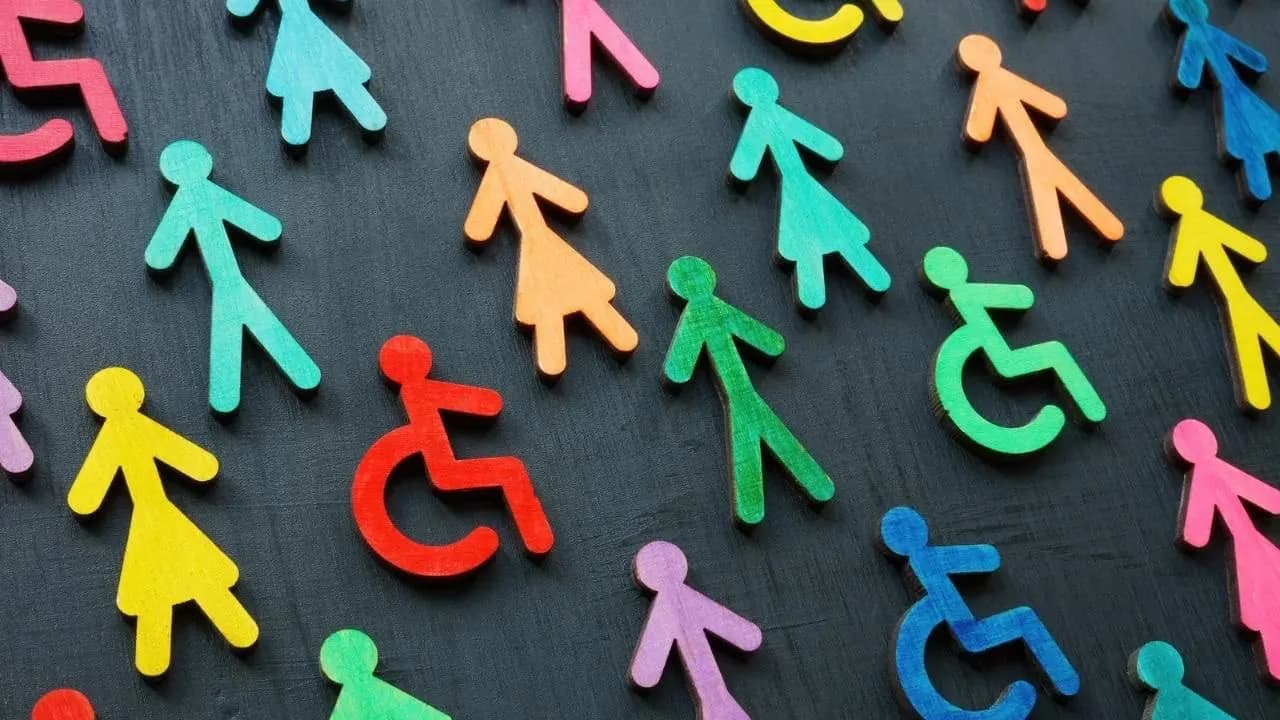
Over 730,000 people with disabilities live in Kazakhstan – about 4% of the country's population. Their number is growing due to environmental factors, climate change, genetic diseases, and man-made risks, reports Todayinfo.
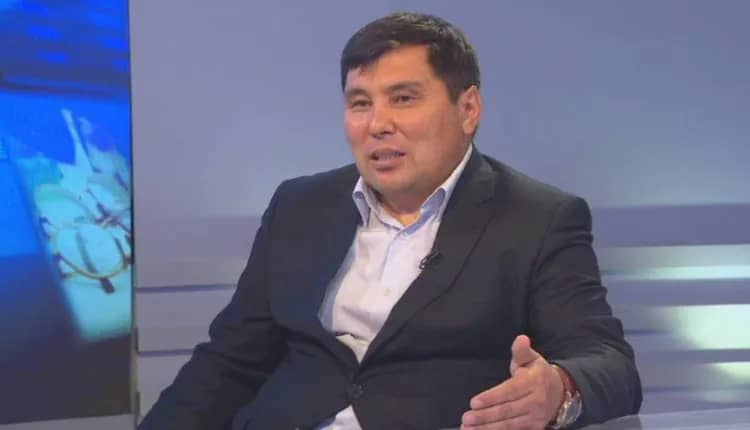
Nurzhamal Iminova, an expert on inclusion and gender equality at Qazaq Expert Club, explained what measures are being taken to improve their quality of life. According to her, Kazakhstan has made several important steps in recent years. In 2015, the country ratified the UN Convention on the Rights of Persons with Disabilities, and in 2023, it adopted the Optional Protocol. This allows citizens to appeal to the UN Committee if they cannot achieve justice at the national level.
“The launch of the Social Services Portal in 2021 allowed people with disabilities to independently choose service providers and purchase rehabilitation aids. This increased accessibility and partially improved service quality,” said Iminova.
However, according to the expert, some government services and mobile apps remain inaccessible to blind users due to technical limitations. The gap between cities and rural areas persists. In rural areas, people with disabilities face basic barriers: from lack of road infrastructure to limited access to jobs and social services.
Employment is one of the main issues. According to Nurzhamal Iminova, only about 30% of working-age people with disabilities are employed. Nearly 70% of them are in the third (mild) disability group. Kazakhstan formally has a 3–4% employment quota, but it is not always observed.
“If two out of ten employers are ready to hire people with disabilities, that's already a good indicator. Overall, there is a persistent perception that such employees have low potential. Often, it's easier for businesses to pay a fine than to adapt a workplace. Moreover, the mechanisms for using these funds are not transparent enough,” Iminova explained.
Another important issue is access to financial services. People with disabilities who have a stable income, make pension contributions, and pay taxes often face loan rejections. “It remains an open question how banks determine disability status during online applications. Such cases can be considered indirect discrimination. If the problem is not resolved at the national level, citizens have the right to appeal to international bodies,” the expert added.
The expert highlighted several key areas for developing an inclusive environment. First, developing accessible infrastructure: the transport system must be adapted for different types of disabilities. It is also important to expand access to education, including digital skills and modern professions. In her opinion, introducing job-coaching practices will increase employment stability and help people adapt to the workplace.
“We cannot afford to lose such a valuable human resource that can contribute to the country's GDP. It is necessary to develop leadership programs for people with disabilities so they can acquire communication skills, believe in their abilities, and realize themselves. It is important to foster a sense of equality from childhood and be ready to openly talk about one's needs – in education, at work, in transport, and in daily life. This is necessary for society to hear them and respond,” concluded Nurzhamal Iminova.