After an inspection by the Supreme Audit Chamber, a large-scale cleanup was carried out in Kazakhstan's agro-industrial complex. Following the auditors' intervention, officials removed thousands of erroneous records from the livestock database, liquidated nearly 600 unsuitable slaughterhouses, and revised locust control standards, reports Todayinfo news agency.
More than 20,000 records of livestock older than 15 years were found in the agricultural animal registration system. After the system update, only 229 confirmed records remained. The number of errors decreased by 98.9%. Now the system automatically detects incorrect data.
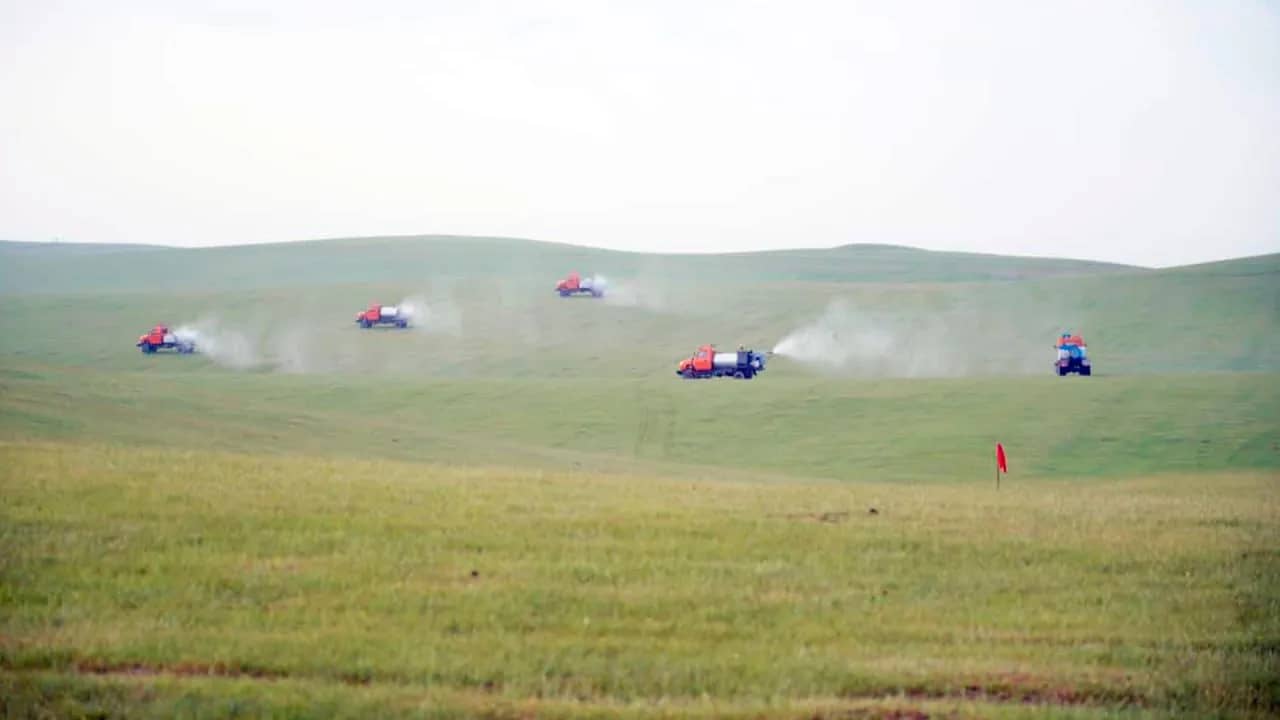
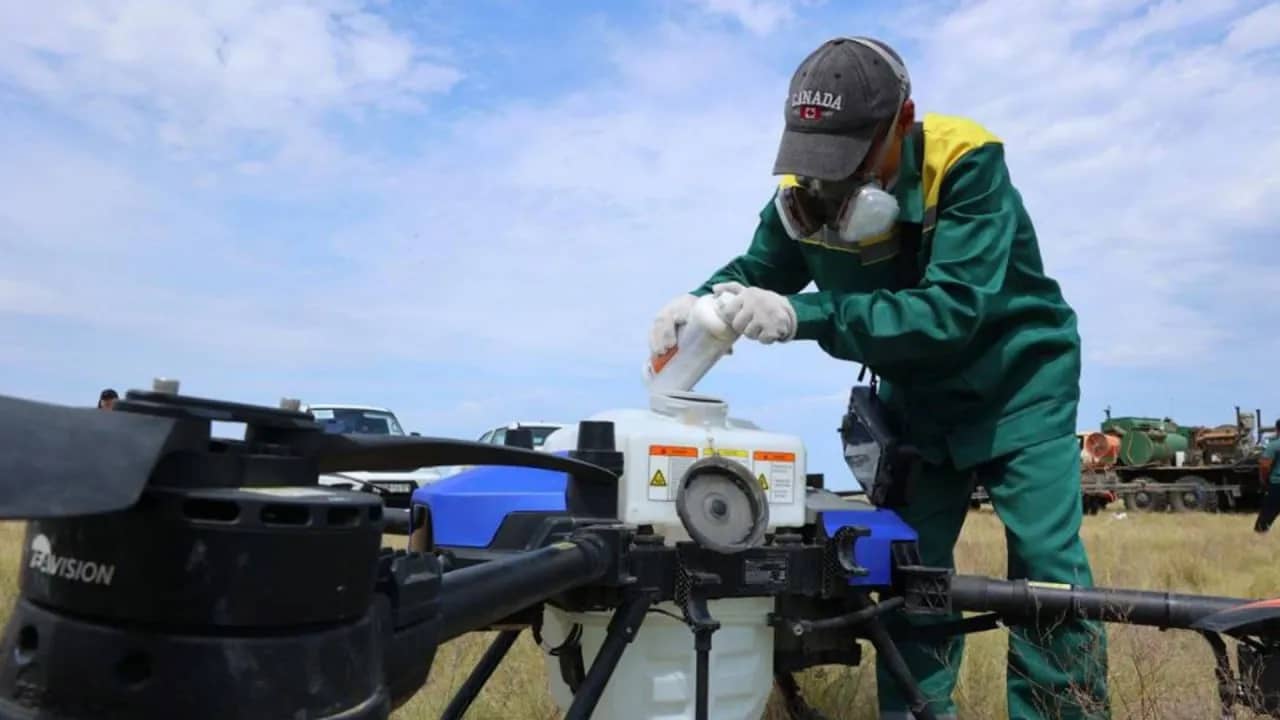
Auditors also found that in 2021, officials unjustifiably lowered the 'locust harmfulness threshold' from five to three individuals per square meter. As a result, insecticide treatment areas increased, and the budget incurred additional costs. In 2026, the norms were updated and unified scientifically based indicators were established.
Another issue concerned slaughter points. The SAC ordered an inspection of 667 non-operating slaughterhouses across the country. 592 of them were found to be in disrepair or completely destroyed and were liquidated. However, 62 facilities were restored and launched. The most were in Karaganda region (18), Abai region (9), and Pavlodar region (7). Another 13 facilities in Akmola and Kyzylorda regions plan to resume operations.
'In addition, the Ministry of Agriculture reduced the list of mandatory equipment for veterinary examination at slaughter points from 20 to 16 items. This simplifies entry into the industry and reduces entrepreneurs' costs,' the auditors noted.
Earlier, the SAC, at the initiative of the Majilis, checked the effectiveness of budget expenditures in agriculture. Auditors found 142 billion tenge in inefficient planning, two billion tenge in financial violations, and estimated economic losses at five billion tenge. Materials on four facts were transferred to law enforcement agencies.