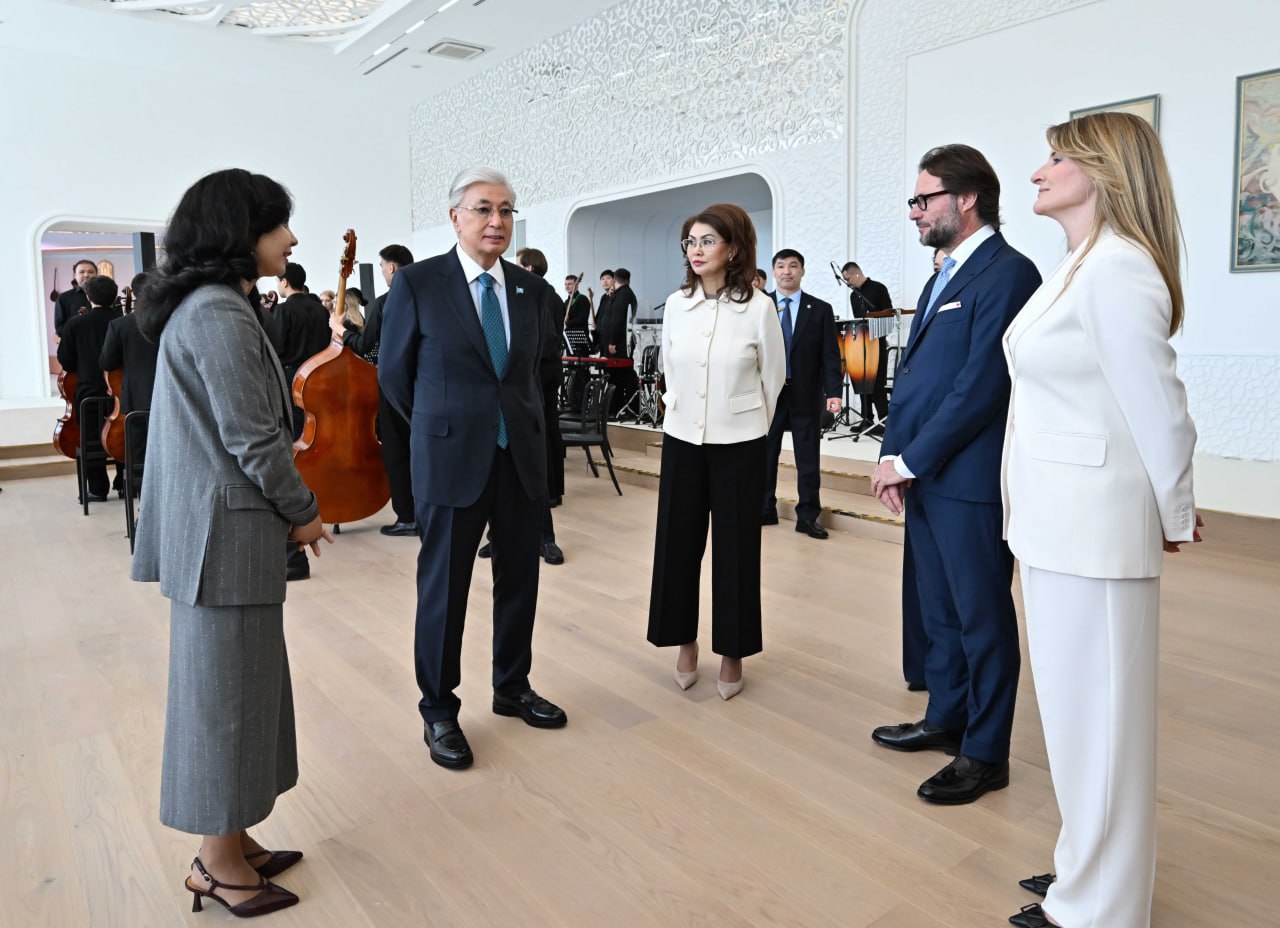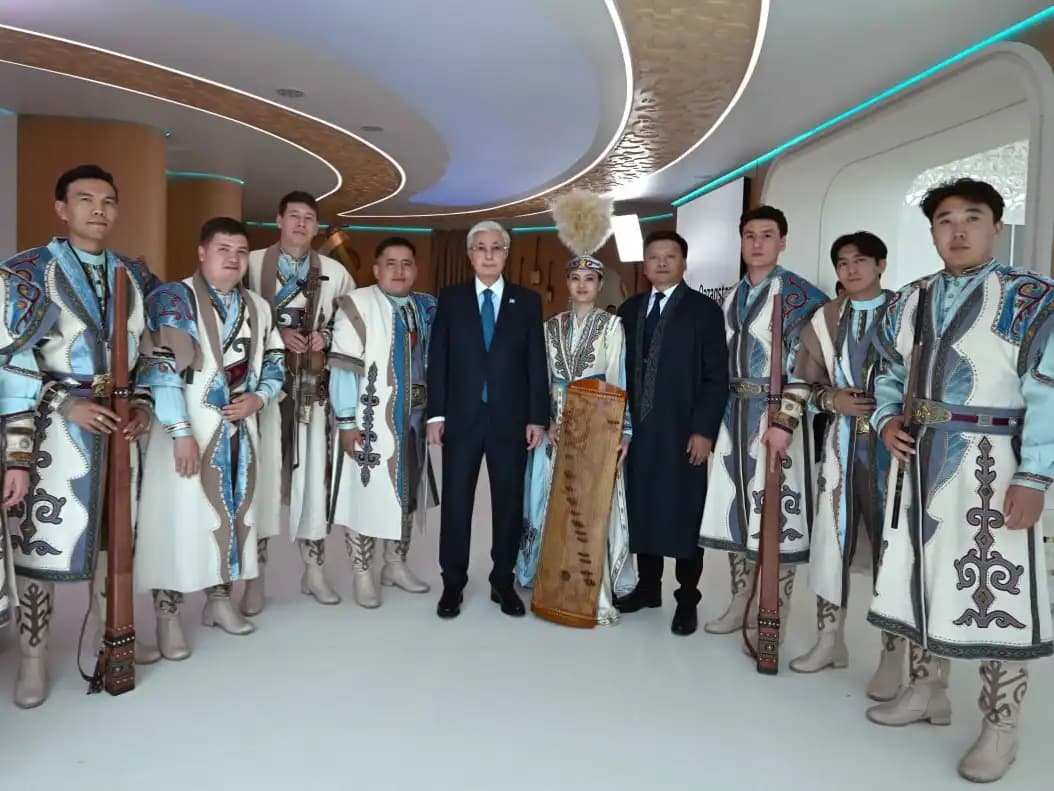
President Kassym-Jomart Tokayev's visit to the office of the Creative Industries Development Fund marked an important stage in the institutional formation of the domestic creative sector. The Fund, established on the instructions of the head of state, is to become a key center for systematic support of the industry. It integrates into a single system the areas of talent support, infrastructure development, investment attraction, promotion of creative products, and export.
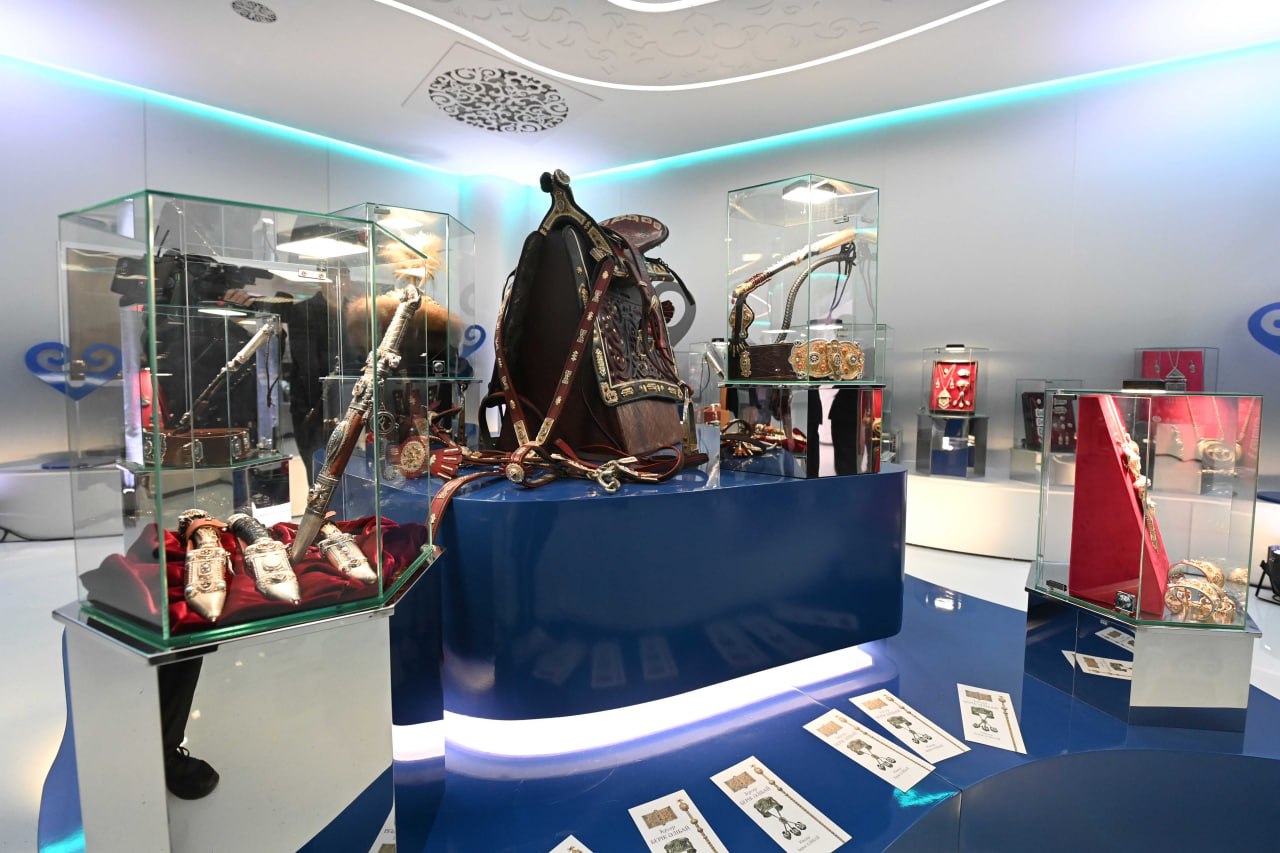
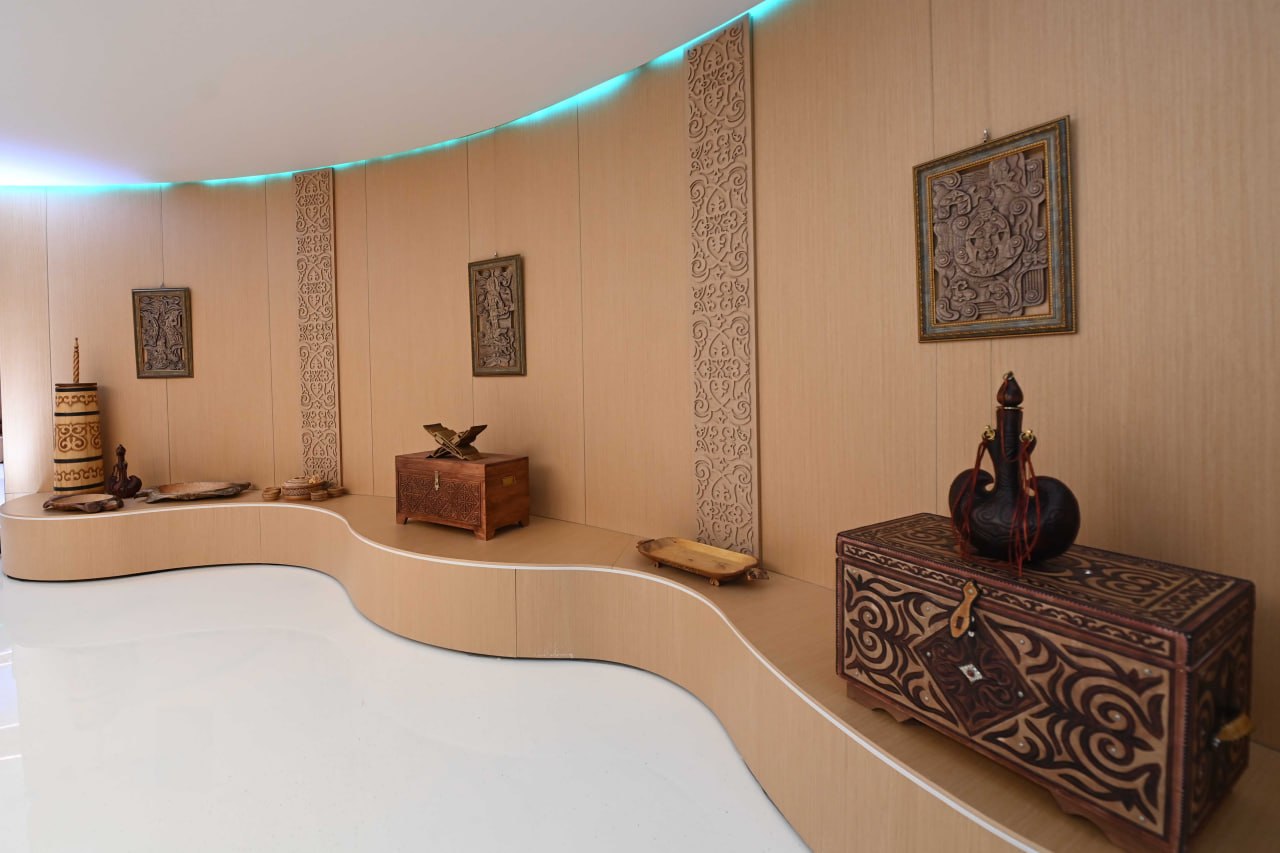
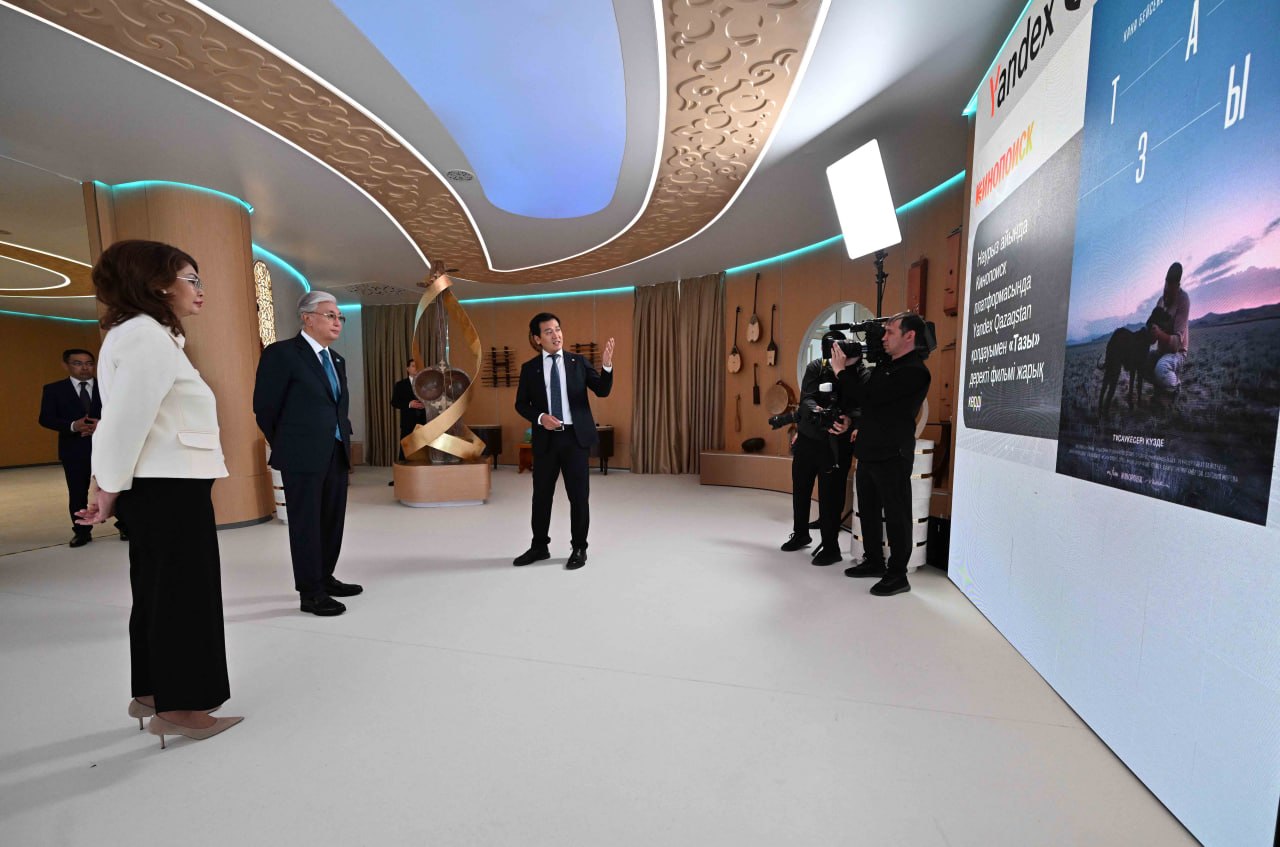
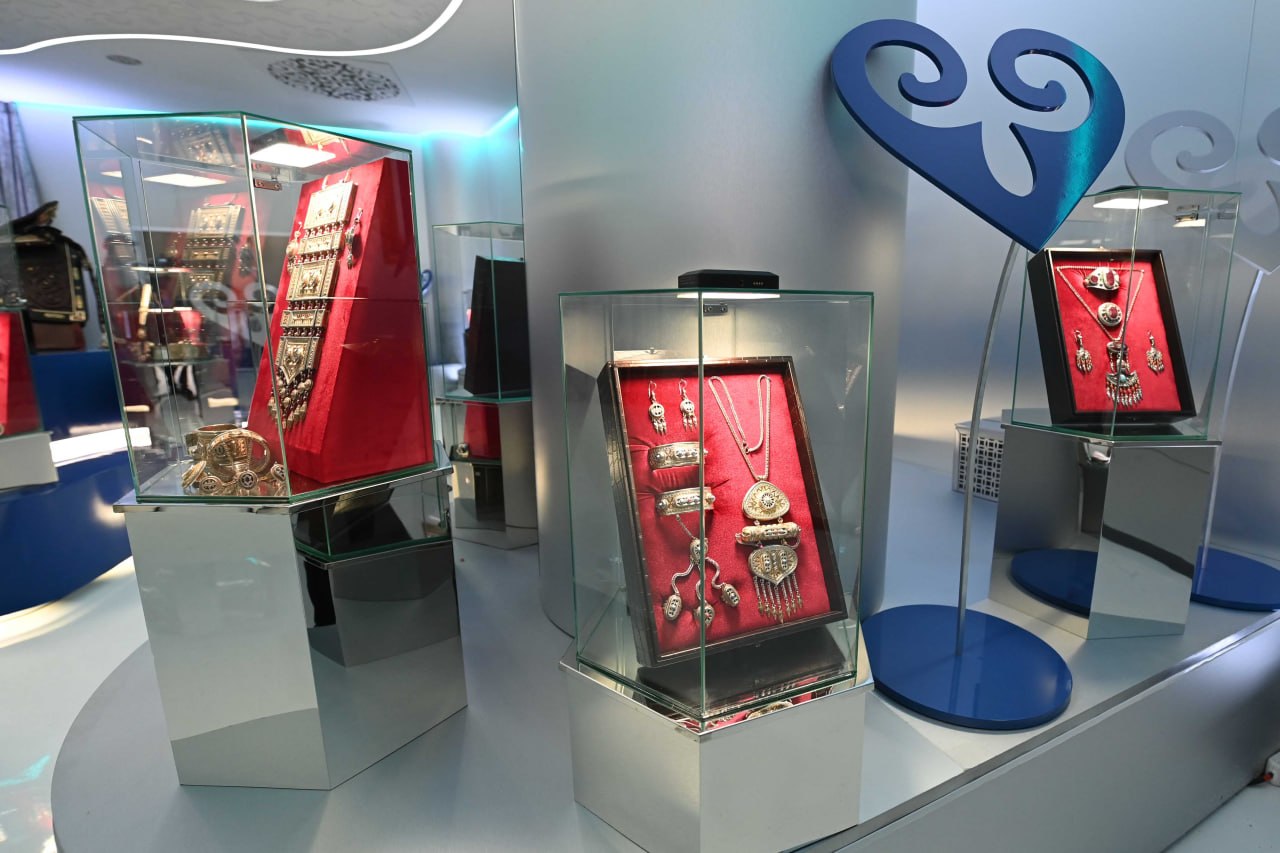
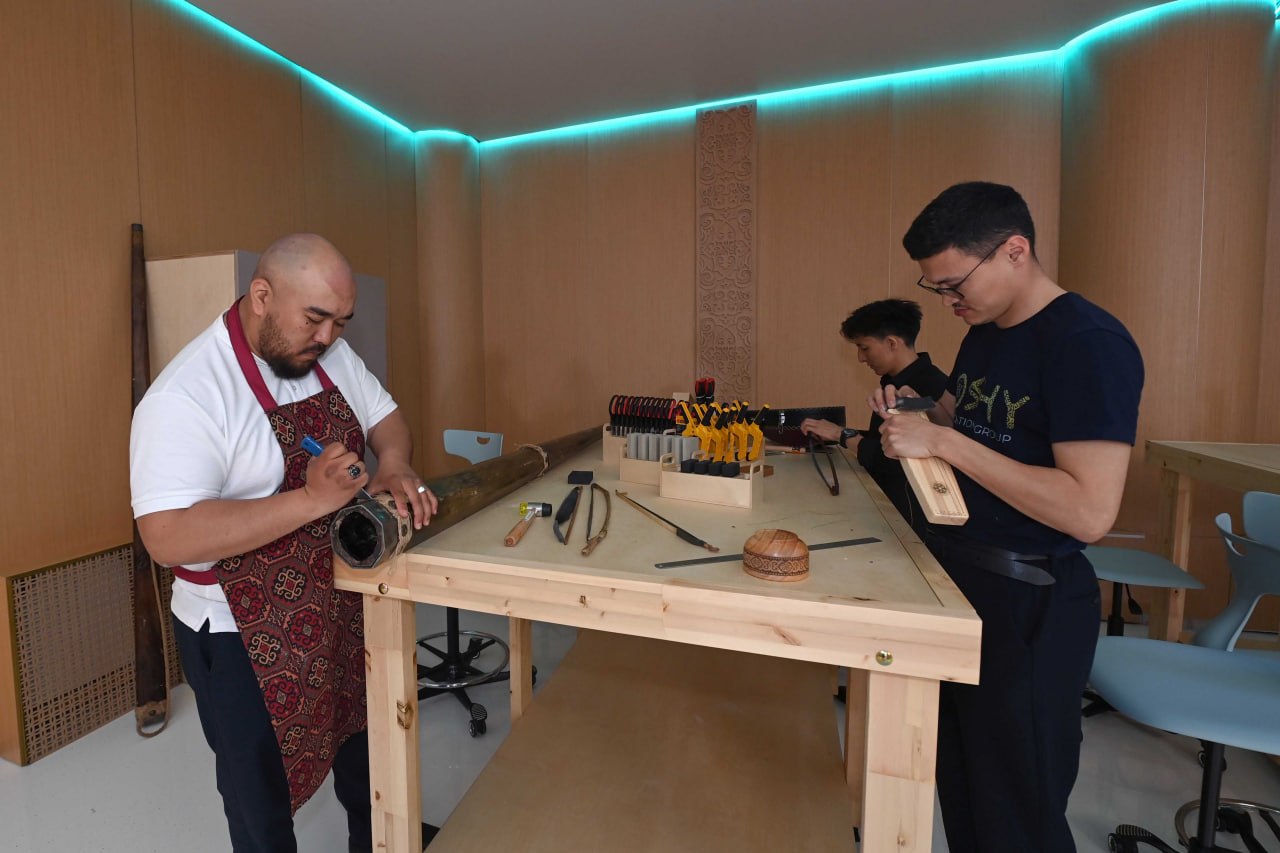
The new space of the Fund was presented in the format of a full-cycle showroom — from idea to production and market promotion. The President was shown thematic areas: jewelry and woodworking workshops, music spaces, a carpet art hall, an artists' hall, and a fashion zone.
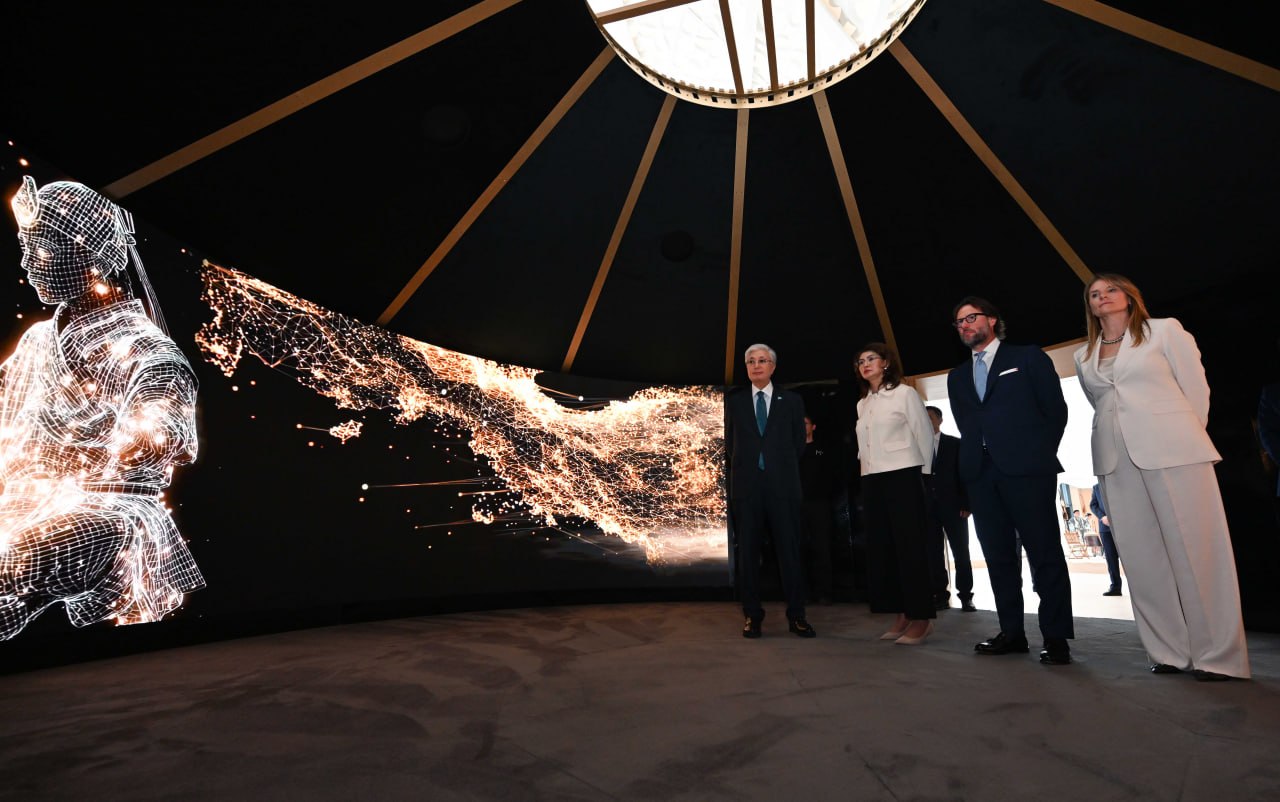
Particular attention was drawn to the immersive space Yurt Capsule. Here, the traditional shape of the yurt is presented in a new technological guise through digital art, multimedia content, and cultural narrative. Deputy Prime Minister of the Republic of Kazakhstan – Minister of Culture and Information Aida Balaeva spoke about the significance of the Fund, the development of regional hubs, the formation of the country's international image, and the potential of the creative economy.
– President Kassym-Jomart Tokayev visited the office of the Creative Industries Development Fund. What does the head of state's special attention to this area mean?
– This visit of the head of state is of particular importance. It shows that creative industries are now considered not as an additional area of culture, but as a full-fledged and promising sphere of economic and social development.
President Kassym-Jomart Tokayev consistently emphasizes the comprehensive development of human capital, support for initiative youth, entrepreneurship development, and the creation of new sources of growth. The creative economy lies at the intersection of these tasks. It allows creating new jobs, developing digital content, producing innovative products, increasing the country's tourist attractiveness, and presenting national identity in a modern language.
For us, as the department overseeing this area, it is extremely important that the industry has received a clear institutional status. The establishment of the Fund on the instructions of the head of state means a transition from individual support measures to systematic work. Now the task is to form concrete and effective support mechanisms for creative professionals, regions, investors, and external markets in this area, to which the President pays special attention.
– So, the Fund should become a key institution for supporting the creative economy. What tasks should it solve first?
– The main task of the Fund is to overcome fragmentation in the industry. Today in Kazakhstan there are strong authors, designers, musicians, craftsmen, representatives of cinema, animation, fashion, digital art, and other areas. However, many of them develop in isolation from each other. Creative professionals still have limited access to sustainable infrastructure, professional expertise, investment, and product promotion channels.
The Fund should be not an administrative structure, but a systemic operator of the industry. Its main role is to connect talent, production, promotion, market, and external opportunities. In other words, a creative professional should clearly understand where to turn with their idea, what support they can get, how to formalize the product, find an audience, and go beyond the local market.
It is important that this work is carried out within the framework of the instructions of President Kassym-Jomart Tokayev. The head of state attaches particular importance to the formation of new economic opportunities. In this context, the creative sector can become one of such promising areas. The Fund should help transform creative potential into sustainable economic value.
– About 48 thousand business entities operate in Kazakhstan's creative economy. In total, 160 thousand people are employed in this area. What do these figures indicate?
– These data indicate that a significant social and economic base of the creative economy has been formed in Kazakhstan. About 48 thousand business entities and 160 thousand employees are not separate initiatives, but a whole sector uniting various professions, business models, and ways of self-realization.
Behind these figures are real people who create added value through ideas, knowledge, technology, and cultural code. These are designers, producers, architects, artists, musicians, digital content developers, representatives of fashion, media, cinema, animation, and folk crafts. Their activities today directly affect employment, entrepreneurship development, urban environment, tourism, and the country's international image.
Kazakhstan's policy in this area is aimed at ensuring that this potential does not remain spontaneous. It is important for us to create conditions for improving the quality of projects, expanding their scale, and promoting them to external markets. Therefore, the Fund should work not only with established players, but also with young creative professionals who are just starting their journey in the industry.
– The new office of the Fund is presented as a full-cycle showroom. Why is this model important for the industry?
– The creative economy cannot develop relying only on inspiration and ideas. Any strong idea, to turn into real value, must go through several stages: development, production, artistic and high-quality presentation, market launch, promotion, and delivery to the consumer. This is where creativity becomes an economic product.
The new office of the Fund visually and practically demonstrates how this full cycle works. This is not just a space for presentations, but a real model of what a modern creative ecosystem should be. Jewelry and woodworking workshops, music spaces, a carpet art hall, an artists' hall, a fashion zone – all this shows that creative industries are a broad, meaningful sphere with real economic potential.
For Kazakhstan, it is very important to form a new culture of working with creative products. It is not enough to just create a good project. You need to be able to present it correctly, adapt it to market requirements, promote it professionally, and bring it to the consumer. It is in this direction that the Fund can fill one of the most pressing gaps in the industry. We have both talent and ideas. Now the task is to systematically support this potential and turn it into a competitive product and a sustainable source of income.
– The Fund will coordinate the work of regional hubs in all regional centers. What new opportunities does this open up for the regions?
– Regional hubs are of strategic importance. After all, Kazakhstan's creative potential is not limited to Astana and Almaty. Each region has its own cultural code, craft traditions, young authors, local brands, and modern initiatives. The main thing is to give these ideas a real opportunity to enter the professional environment and get further development.
Today, one of the important tasks of Kazakhstan's state policy is to ensure the most equal access to growth tools. A regional hub should become not just a venue for events, but a center of competence. In such centers, creative professionals will be able to get professional advice, develop their projects, find partners, form a team, and connect to the national support system.
The coordinating role of the Fund is especially important here. If each region develops independently and in isolation, the effect will be limited. But if the hubs are interconnected through a unified methodology, common programs, expert support, and a promotion system, a holistic network of creative development will be formed across the country.
This will not only support youth in the regions, but also create new points of economic activity in the regions.
– Kazakhstan is increasing international recognition through culture, tourism, and creative products. Which areas have the greatest potential in this regard?
– First of all, areas that can present national identity to the world in a modern, attractive, and understandable language have high potential. These include cinema, music, animation, design, fashion industry, digital art, jewelry, carpet weaving, crafts, and cultural tourism.
The international image of a country is formed not only by a beautiful logo, a catchy slogan, or tourist advertising. It is created by a quality product, new experience, meaningful story, and deep meaning offered to the world. Therefore, projects like Yurt Capsule are of particular importance. Such initiatives show that Kazakhstan's traditional heritage is not just an artifact of the past, but a living value that resonates with modernity and can become the basis for new technological solutions.
President Kassym-Jomart Tokayev consistently prioritizes unlocking Kazakhstan's tourism potential, promoting the country through culture, national heritage, and modern industries. This is fully in line with the state policy that considers the creative sector as an important component of national competitiveness.
Our task is to support projects that combine the national cultural code, high quality, modern form, and export potential. Such products increase interest in Kazakhstan, open the way for domestic authors to the international market, and form a sustainable, modern, and attractive image of our country in the world.