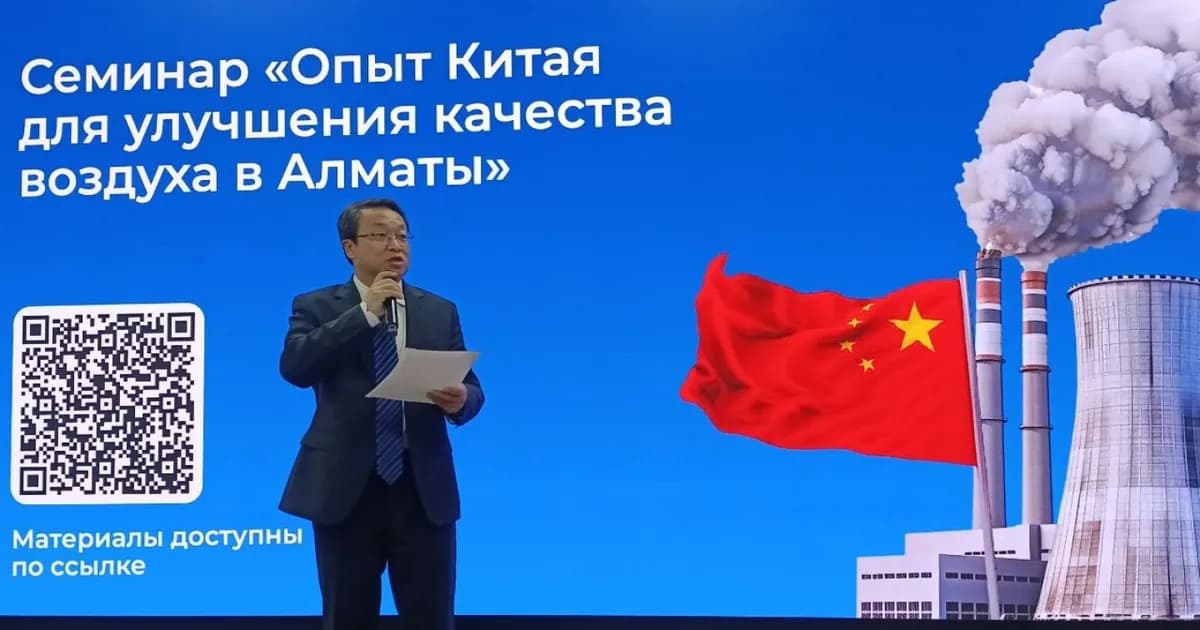
The People's Republic of China has become a global economic and political superpower, but previously suffered from serious environmental problems. However, the authorities have taken a course towards sustainable development and a favorable environment, achieving significant success. Now China is set as an example for other developing countries, and its best minds are ready to share the recipe for success with Kazakhstanis, reports Todayinfo.
In April 2026, a delegation of Chinese scientists arrived in Almaty to share their experience. City authorities have been fighting smog and polluted air for decades, allocating large budgets and attracting experts, but the smog still hangs over the city, harming residents' health and putting Almaty on the list of the most polluted cities in the world.
A similar situation occurred in China. Environmental well-being was sacrificed for economic prosperity. Terrible smog in Chinese cities and 'cancer villages' became a black mark on the country. The most dangerous were ultrafine particles PM2.5. In 2013, the PM2.5 level in Beijing exceeded 900 µg/m³, which became a wake-up call.
In September, the State Council of China approved the 'Air Pollution Prevention and Control Action Plan'. The program included reducing coal generation, closing outdated factories, upgrading filters, introducing strict fuel standards, scrapping old cars, subsidizing electric transport, creating an online atmospheric monitoring system, and introducing personal responsibility for officials. As a result, Beijing's air quality improved to a record level.
Recommendations from Chinese scientists were mandatory for municipal officials. Now they are sharing their experience in Almaty.