Kazakhstan continues to process and promote domestic rice, but producers report declining incomes amid the strengthening tenge, reports Todayinfo news agency.
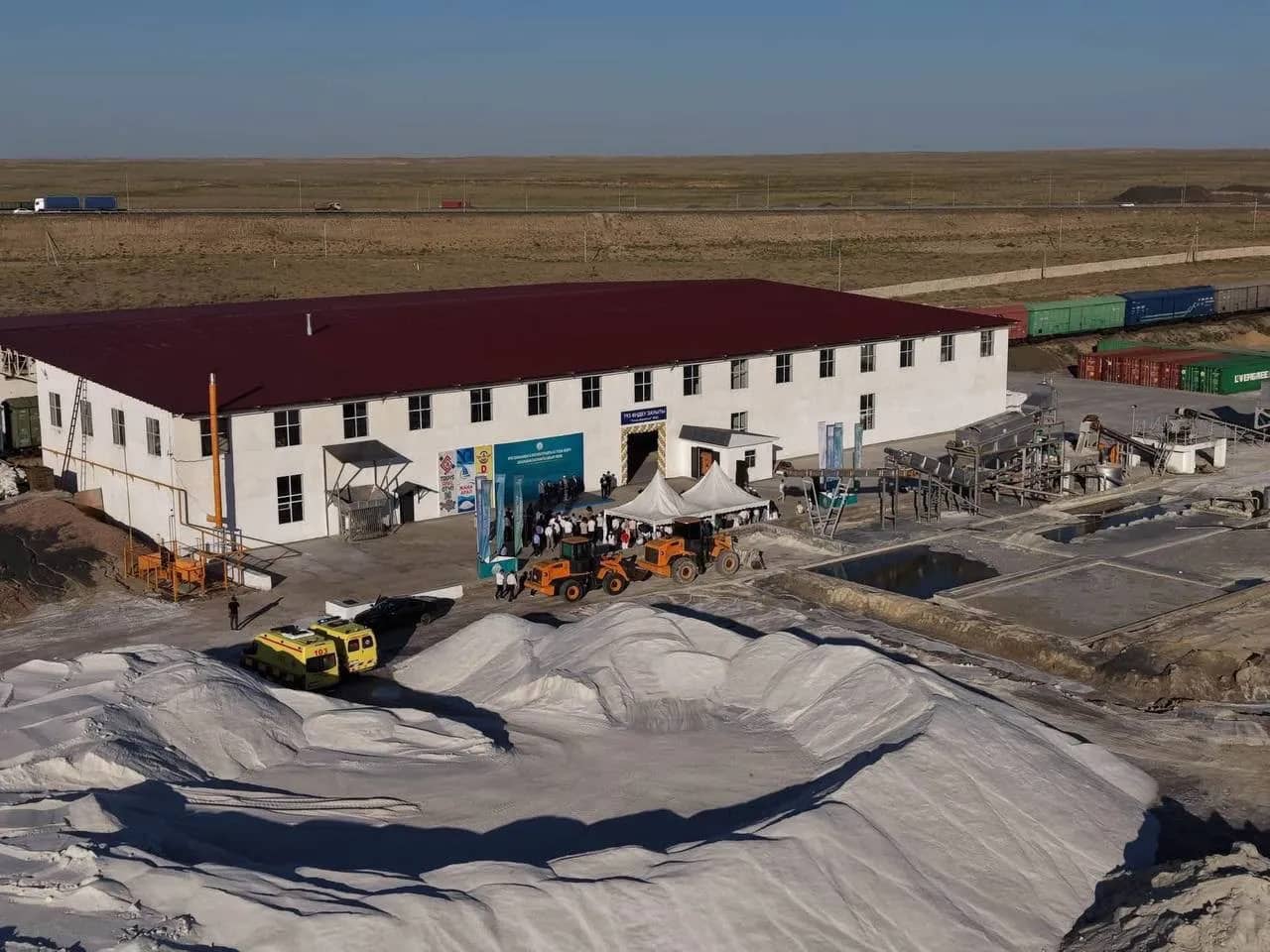
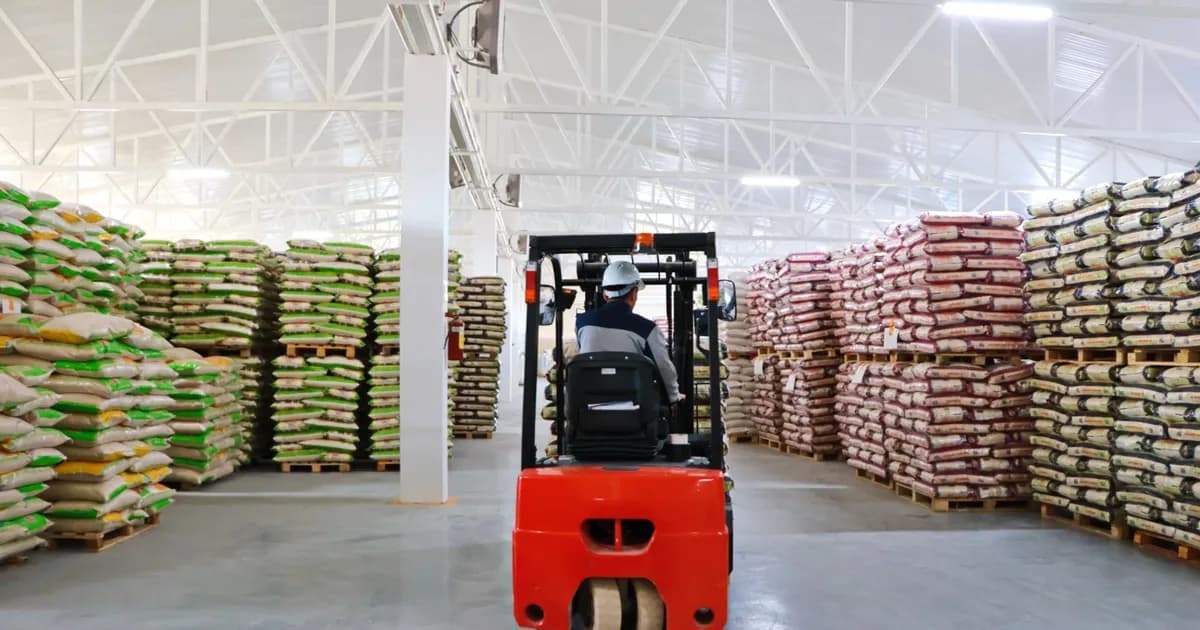
Kyzylorda-based companies are launching new capacities for processing and packaging 'white gold'. At one such company, Deputy Director for Sales and Logistics Aigul Kosmuratova spoke about new varieties and export prospects. According to her, new rice varieties are being tested in production.
'Last year, we planted a new rice variety. On a small plot of land. Following all agronomic requirements to check germination, yield, and output after cleaning. Then we will select the best seeds and plant them this year. Intensive rice seed farming is not developed in Kazakhstan; it takes 7-10 years to develop one variety,' she said.
The region has a Rice Research Institute that developed the 'Syr suluy' variety, but its commercial use is limited. The main factor of demand is regional preferences. In Western Kazakhstan, the 'Leader' variety is preferred; in the South, 'Yantar'; in Astana and Almaty, different varieties. In Central Asian countries, 'Yantar' is popular. Therefore, the company produces the 'Yantar Kamolino' variety, suitable for pilaf.
Domestic logistics remain stable, but export routes create difficulties. Deliveries to Iraq pass through Iran and take about a month. 'The only issue is rice exports to Iraq. We have to pass through Iran. We are worried. Rice delivery to Iraq takes about a month,' Kosmuratova said.
A separate problem for the industry is the exchange rate. The strengthening of the tenge has reduced export profitability. 'In other countries, say, the CIS, the dollar exchange rate has hardly changed. Only our tenge has strengthened. Accordingly, if we sold rice for a certain dollar amount, now in tenge it is not that amount, but less. We cannot raise the dollar price because the cost of our product would increase in that country. In East Asian countries, there are producers ready to export rice at even lower prices. For example, Vietnam harvests 2-3 crops a year. So, when we sell rice for dollars and then convert to tenge, plus other costs, we don't get the amount we initially planned,' she concluded.