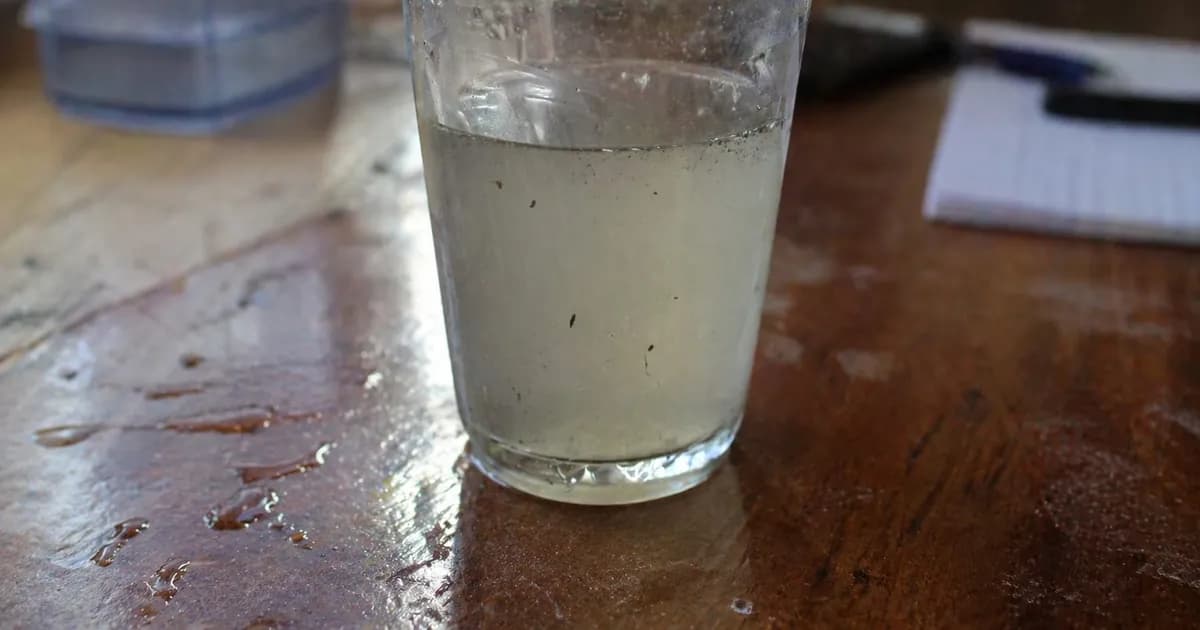
Lack of access to clean water, sanitation, and hygiene claims more than a million lives worldwide each year, reports Todayinfo.
According to the World Health Organization, over 1.4 million people die annually from WASH-related factors — unsafe drinking water, poor sanitation, and inadequate hygiene. Children are particularly vulnerable: diarrheal diseases remain a leading cause of death among children under five. Approximately 1,000 children die every day globally due to lack of clean water and basic sanitation.
The JMP 2025 report indicates that one in four people worldwide — about 2 billion — lack access to safe drinking water. Experts say the pace of improvement in sanitation must increase at least fivefold to change the situation.
In Kazakhstan, the situation is less critical but far from stable. In 2025, the mortality rate linked to unsafe water, sanitation, and hygiene rose to 0.85 per 100,000 people, up from 0.75 a year earlier. The hardest-hit region is Turkistan, where the mortality rate reached 4.09 per 100,000 — nearly five times the national average. High rates were also recorded in Karaganda (1.32) and Shymkent (1.18). Meanwhile, several regions show much lower figures: Zhetysu — 0.14, Kyzylorda and Mangystau — 0.12 each. This gap highlights serious inequality in access to basic infrastructure and quality services, especially between southern and more developed regions of the country.